
The Importance of SEO Page Analysis Online
In the digital age, having a strong online presence is crucial for businesses to succeed. Search Engine Optimization (SEO) plays a significant role in improving a website’s visibility on search engine results pages. One essential aspect of SEO is page analysis, which involves evaluating and optimizing individual web pages to enhance their performance.
Benefits of SEO Page Analysis Online:
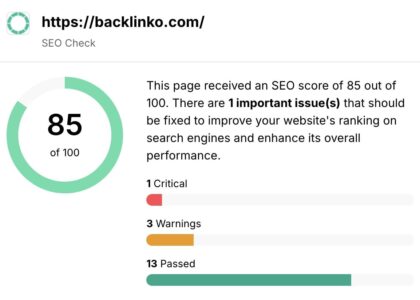
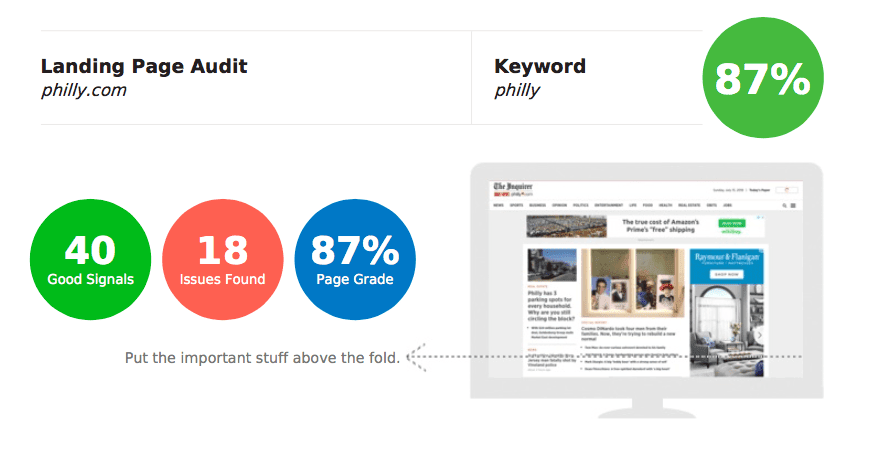
- Identifying Strengths and Weaknesses: By conducting a thorough page analysis, businesses can identify the strengths and weaknesses of their web pages. This insight allows them to make informed decisions on how to improve their content, structure, and overall SEO strategy.
- Optimizing Keywords: Analysing keywords used on a webpage helps in determining whether they are relevant to the target audience and are effectively integrated into the content. By optimising keywords based on analysis results, businesses can improve their search engine rankings.
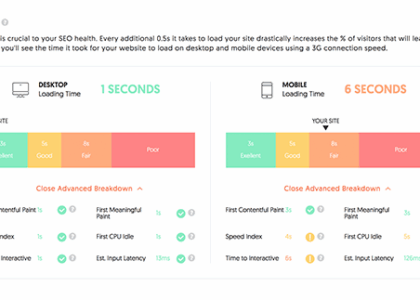
- Enhancing User Experience: Page analysis helps in assessing the user experience of a website. By identifying factors that may impact user engagement, such as page load speed or mobile-friendliness, businesses can make necessary adjustments to enhance overall user experience.
- Monitoring Performance: Regular page analysis allows businesses to monitor the performance of their web pages over time. By tracking metrics such as traffic, bounce rate, and conversion rates, businesses can measure the effectiveness of their SEO efforts and make data-driven decisions for improvement.
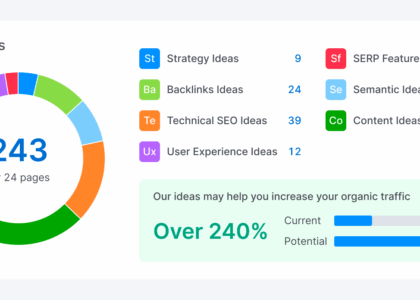
Overall, investing in SEO page analysis online is essential for businesses looking to improve their online visibility, attract more organic traffic, and ultimately drive conversions. By leveraging insights gained from page analysis tools and implementing recommended optimizations, businesses can stay ahead in the competitive digital landscape.
Essential FAQs on SEO Page Analysis: A Comprehensive Guide for Online Success
- What is SEO page analysis online?
- Why is SEO page analysis important for websites?
- How does SEO page analysis help improve search engine rankings?
- What are the key elements analysed in SEO page analysis?
- Which tools can be used for conducting SEO page analysis online?
- How often should businesses perform SEO page analysis on their website?
- Can SEO page analysis help identify and fix technical issues on a website?
- What are the common mistakes to avoid when performing SEO page analysis?
What is SEO page analysis online?
SEO page analysis online refers to the process of evaluating and optimising individual web pages to improve their performance in search engine results. It involves assessing various aspects of a webpage, such as content, keywords, meta tags, internal and external links, and overall user experience. By conducting SEO page analysis online, businesses can identify strengths and weaknesses in their web pages, enhance keyword relevance, ensure optimal user experience, and monitor performance metrics to boost their search engine rankings and attract more organic traffic. This strategic approach helps businesses stay competitive in the digital landscape by continuously refining their online presence based on data-driven insights.
Why is SEO page analysis important for websites?
Conducting SEO page analysis is crucial for websites as it helps in identifying areas for improvement and optimisation to enhance the site’s visibility and performance on search engine results pages. By evaluating factors such as keyword usage, content quality, meta tags, and overall user experience, businesses can tailor their SEO strategies to better meet the needs of both search engines and users. This analysis provides valuable insights into the strengths and weaknesses of web pages, enabling businesses to make informed decisions that drive organic traffic, improve search engine rankings, and ultimately boost online presence and conversions.
How does SEO page analysis help improve search engine rankings?
SEO page analysis plays a crucial role in enhancing search engine rankings by providing valuable insights into the performance of individual web pages. By conducting a thorough analysis, businesses can identify areas for improvement, such as keyword relevance, content quality, and user experience factors. Optimising these aspects based on the analysis results can help web pages rank higher in search engine results pages (SERPs). Additionally, SEO page analysis helps businesses stay informed about changing search engine algorithms and best practices, allowing them to adapt their strategies proactively to improve visibility and attract more organic traffic to their websites.
What are the key elements analysed in SEO page analysis?
In SEO page analysis, several key elements are typically analysed to assess the performance and effectiveness of a web page. These elements include on-page factors such as meta tags, headings, keyword usage, content quality, internal linking structure, and URL structure. Off-page elements like backlinks, domain authority, and social signals are also considered. Additionally, technical aspects such as page load speed, mobile responsiveness, and site security play a crucial role in determining a webpage’s SEO health. By examining these key elements comprehensively through SEO page analysis tools, businesses can identify areas for improvement and implement strategies to enhance their search engine rankings and overall online visibility.
Which tools can be used for conducting SEO page analysis online?
When it comes to conducting SEO page analysis online, there are several tools available to help businesses evaluate and optimise their web pages effectively. Popular tools for this purpose include Google Search Console, SEMrush, Moz Pro, Ahrefs, and Screaming Frog SEO Spider. These tools offer a range of features such as keyword analysis, backlink monitoring, site audits, and performance tracking to provide valuable insights into the strengths and weaknesses of web pages. By utilising these tools, businesses can make informed decisions to enhance their SEO strategies and improve their online visibility.
How often should businesses perform SEO page analysis on their website?
Businesses should ideally perform SEO page analysis on their website regularly to ensure that their online presence remains optimised for search engines. The frequency of conducting page analysis may vary depending on factors such as the size of the website, the level of competition in the industry, and the rate of content updates. As a general guideline, businesses are recommended to perform SEO page analysis at least once a month to stay on top of any potential issues, track performance metrics, and make necessary adjustments to improve their search engine rankings and overall online visibility. By consistently monitoring and analysing web pages, businesses can effectively identify areas for improvement and implement strategies to enhance their SEO efforts for long-term success.
Can SEO page analysis help identify and fix technical issues on a website?
SEO page analysis is a valuable tool that can indeed help identify and address technical issues on a website. By conducting a thorough analysis of web pages, businesses can uncover underlying technical problems that may be hindering their SEO performance. Issues such as broken links, slow loading times, improper use of headers, or lack of mobile responsiveness can be pinpointed through page analysis. Once identified, these technical issues can be promptly addressed and fixed to improve the overall health and performance of the website, ultimately enhancing its search engine visibility and user experience.
What are the common mistakes to avoid when performing SEO page analysis?
When conducting SEO page analysis online, it is crucial to be aware of common mistakes that can hinder the effectiveness of the process. One common mistake to avoid is overlooking the importance of relevant keywords and failing to conduct thorough keyword research. Another mistake is neglecting to analyse and improve meta tags, headings, and other on-page elements that impact search engine rankings. Additionally, not considering user experience factors such as mobile responsiveness and page loading speed can also detract from the overall success of SEO page analysis. By avoiding these mistakes and ensuring a comprehensive analysis that addresses all key aspects of on-page SEO, businesses can maximise their online visibility and drive organic traffic effectively.