

The Importance of Online Site Analysis
In today’s digital age, having a strong online presence is crucial for businesses to succeed. One of the key tools in ensuring the effectiveness of your website is conducting regular online site analysis. This process involves evaluating various aspects of your website to identify strengths, weaknesses, and opportunities for improvement.
Benefits of Online Site Analysis
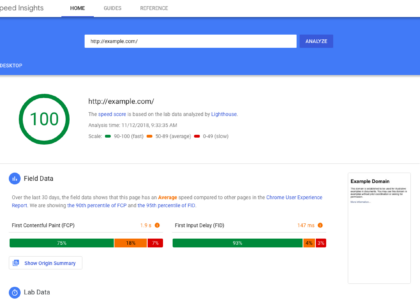
**Performance Monitoring**: By analysing your site’s performance metrics such as loading speed, bounce rate, and user engagement, you can identify areas that need attention to enhance the overall user experience.
**SEO Optimization**: Conducting site analysis helps in identifying SEO issues such as broken links, missing meta tags, or duplicate content. Addressing these issues can improve your website’s search engine ranking and visibility.
**User Experience Enhancement**: Understanding how users interact with your site through analysis can help in optimising navigation, content placement, and overall design to create a seamless and engaging user experience.
Tools for Online Site Analysis
There are various tools available for conducting online site analysis, ranging from free options like Google Analytics to more advanced paid tools that offer in-depth insights into website performance and user behaviour.
Conclusion
Regular online site analysis is essential for maintaining a competitive edge in the digital landscape. By leveraging insights gained from analysis tools, businesses can make informed decisions to enhance their website performance, improve user experience, and ultimately drive success in the online realm.
Essential FAQs on Online Site Analysis: Importance, Metrics, SEO, Tools, Frequency, and Challenges
- What is online site analysis and why is it important?
- What are the key metrics to consider during online site analysis?
- How can online site analysis help improve search engine optimisation (SEO)?
- What tools are commonly used for conducting online site analysis?
- How often should businesses perform online site analysis?
- What are the common challenges faced during online site analysis and how to overcome them?
What is online site analysis and why is it important?
Online site analysis is the process of evaluating and assessing various aspects of a website to understand its performance, user experience, and search engine optimisation. It involves monitoring key metrics such as loading speed, user engagement, SEO factors, and overall functionality to identify areas for improvement. Online site analysis is crucial for businesses as it provides valuable insights into how their website is performing and where enhancements can be made to attract more visitors, improve user satisfaction, and increase online visibility. By conducting regular site analysis, businesses can stay competitive in the digital landscape and ensure that their website remains effective in achieving its goals.
What are the key metrics to consider during online site analysis?
During online site analysis, it is essential to consider key metrics that provide valuable insights into the performance and effectiveness of a website. Some of the critical metrics to focus on include page loading speed, bounce rate, conversion rate, traffic sources, user engagement metrics such as time on page and pages per session, mobile responsiveness, SEO performance indicators like organic search traffic and keyword rankings, as well as user behaviour data such as click-through rates and scroll depth. By analysing these key metrics comprehensively, businesses can gain a deeper understanding of their website’s performance and make data-driven decisions to improve user experience and achieve their online objectives.
How can online site analysis help improve search engine optimisation (SEO)?
Online site analysis plays a vital role in enhancing search engine optimisation (SEO) by providing valuable insights into a website’s performance and user engagement metrics. Through online site analysis, businesses can identify and address SEO issues such as broken links, missing meta tags, slow loading speed, and duplicate content. By rectifying these issues based on the findings of the analysis, websites can improve their search engine ranking and visibility. Additionally, analysing user behaviour on the site helps in understanding how visitors interact with the content, enabling businesses to optimise their website structure, navigation, and overall user experience to align with SEO best practices. Ultimately, online site analysis serves as a powerful tool for businesses looking to enhance their SEO strategies and drive organic traffic to their websites.
What tools are commonly used for conducting online site analysis?
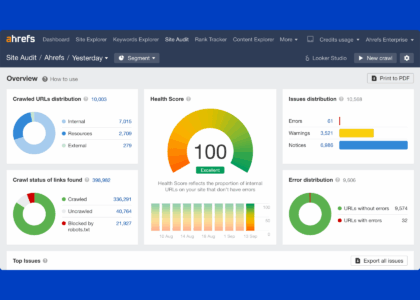
When it comes to conducting online site analysis, there are several tools commonly used by businesses and website owners to gain valuable insights into their website’s performance and user engagement. Popular tools for online site analysis include Google Analytics, a powerful platform that provides comprehensive data on website traffic, user behaviour, and conversion rates. Other commonly used tools include SEMrush, Moz Pro, Ahrefs, and Screaming Frog, which offer features such as SEO analysis, backlink monitoring, keyword research, and technical site audits. These tools play a crucial role in helping businesses optimise their websites for better visibility, user experience, and overall performance in the competitive online landscape.
How often should businesses perform online site analysis?
Determining the frequency of performing online site analysis is a common concern for businesses seeking to optimise their online presence. The ideal frequency for conducting site analysis can vary depending on the size and complexity of the website, as well as the industry it operates in. However, as a general guideline, businesses should aim to perform online site analysis at least quarterly to ensure that their website is functioning optimally, meeting user expectations, and staying competitive in the digital landscape. Regular analysis allows businesses to identify trends, track performance metrics, and make informed decisions to continuously improve their online presence.
What are the common challenges faced during online site analysis and how to overcome them?
During online site analysis, businesses often encounter common challenges such as data overload, lack of expertise in interpreting analytics, and difficulty in prioritising actions based on findings. To overcome these challenges, it is essential to establish clear goals and metrics for analysis, focus on key performance indicators that align with business objectives, and utilise tools that provide actionable insights in a user-friendly format. Additionally, investing in training or seeking assistance from professionals can help improve data interpretation skills and ensure that the analysis leads to meaningful improvements in website performance and user experience.