
The Power of Data Analysis in Digital Marketing
In today’s digital age, data analysis plays a crucial role in the success of digital marketing strategies. By harnessing the power of data, marketers can gain valuable insights into consumer behaviour, preferences, and trends, allowing them to create targeted and effective campaigns.
Understanding Consumer Behaviour
Data analysis enables marketers to track and analyse consumer interactions with their digital platforms. By collecting and analysing data on website visits, social media engagement, email open rates, and more, marketers can gain a deeper understanding of how consumers interact with their brand online.
Personalised Marketing Campaigns
With data analysis, marketers can segment their target audience based on various demographics, behaviours, and preferences. This segmentation allows for the creation of personalised marketing campaigns that are tailored to specific consumer groups. Personalisation enhances the customer experience and increases the likelihood of conversion.
Optimising Campaign Performance
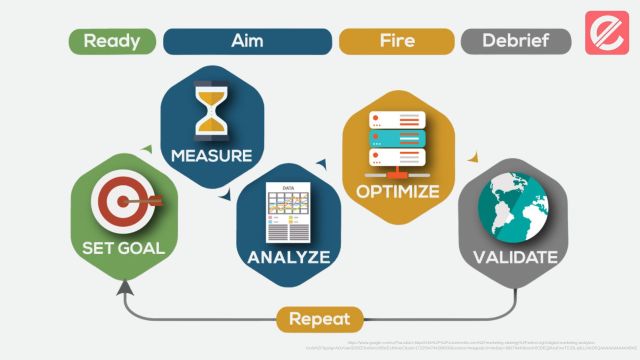
Data analysis also helps in measuring the performance of digital marketing campaigns. Marketers can track key performance indicators (KPIs) such as click-through rates, conversion rates, and return on investment (ROI) to evaluate the effectiveness of their campaigns. By analysing this data, marketers can identify areas for improvement and optimise future campaigns for better results.
Predictive Analytics for Future Success
One of the most powerful aspects of data analysis in digital marketing is predictive analytics. By analysing historical data and trends, marketers can predict future consumer behaviour and market trends. This foresight allows marketers to proactively adjust their strategies to stay ahead of the competition and capitalise on emerging opportunities.
Conclusion
Data analysis is a game-changer in the world of digital marketing. By leveraging data-driven insights, marketers can create more targeted, personalised, and effective campaigns that drive business growth and success. Embracing data analysis is essential for staying competitive in today’s fast-paced digital landscape.
9 Essential Tips for Enhancing Data Analysis and Digital Marketing Strategies
- Utilize data analytics tools to track and measure the performance of your digital marketing campaigns.
- Segment your audience based on demographic, behavioural, and psychographic factors for targeted marketing strategies.
- A/B test different elements of your campaigns to understand what resonates best with your audience.
- Regularly review and analyse key metrics such as conversion rates, click-through rates, and ROI to make informed decisions.
- Use data visualisation techniques like charts and graphs to present insights in a clear and compelling manner.
- Monitor social media metrics to gauge engagement levels and adjust your content strategy accordingly.
- Implement tracking codes on your website to accurately attribute conversions back to specific marketing channels.
- Stay updated with industry trends and best practices in data analysis and digital marketing for continuous improvement.
- Collaborate with cross-functional teams including data analysts, marketers, and designers to gain diverse perspectives for better decision-making.
Utilize data analytics tools to track and measure the performance of your digital marketing campaigns.
To enhance the effectiveness of your digital marketing campaigns, it is essential to utilise data analytics tools to track and measure performance accurately. By leveraging these tools, you can gain valuable insights into the success of your campaigns, allowing you to identify what strategies are working well and where improvements are needed. Tracking key metrics such as click-through rates, conversion rates, and ROI enables you to make data-driven decisions that optimise your marketing efforts for better results.
Segment your audience based on demographic, behavioural, and psychographic factors for targeted marketing strategies.
Segmenting your audience based on demographic, behavioural, and psychographic factors is a valuable tip in data analysis for digital marketing. By understanding the unique characteristics and preferences of different consumer segments, marketers can tailor their marketing strategies to resonate with each group effectively. This targeted approach allows for more personalised communication, leading to higher engagement and conversion rates. By utilising data analysis to segment audiences, marketers can create campaigns that are not only relevant but also impactful, ultimately driving success in their digital marketing efforts.
A/B test different elements of your campaigns to understand what resonates best with your audience.
A/B testing different elements of your digital marketing campaigns is a valuable strategy to gain insights into what resonates best with your audience. By running controlled experiments where variations of specific elements are tested against each other, such as different ad copy, images, or call-to-action buttons, you can determine which version performs better in terms of engagement and conversions. This data-driven approach allows you to make informed decisions and optimise your campaigns for maximum effectiveness, ultimately leading to improved results and a deeper understanding of your target audience’s preferences.
Regularly review and analyse key metrics such as conversion rates, click-through rates, and ROI to make informed decisions.
Regularly reviewing and analysing key metrics such as conversion rates, click-through rates, and ROI is essential in making informed decisions in digital marketing. These metrics provide valuable insights into the performance of marketing campaigns, helping marketers understand what strategies are working effectively and where improvements are needed. By closely monitoring these key indicators, businesses can adapt their marketing tactics in real-time, optimise their efforts for better results, and ultimately drive greater success in reaching their target audience and achieving business objectives.
Use data visualisation techniques like charts and graphs to present insights in a clear and compelling manner.
Utilising data visualisation techniques such as charts and graphs is a powerful tip for enhancing data analysis in digital marketing. By presenting insights visually, marketers can effectively communicate complex data in a clear and compelling manner. Visual representations not only make it easier for stakeholders to grasp key information at a glance but also help in identifying patterns, trends, and correlations within the data. This visual storytelling approach not only enhances the understanding of data but also makes it more engaging and impactful, ultimately leading to better-informed decision-making and more successful marketing campaigns.
Monitor social media metrics to gauge engagement levels and adjust your content strategy accordingly.
Monitoring social media metrics is a valuable tip in data analysis for digital marketing. By tracking metrics such as likes, shares, comments, and click-through rates on social media platforms, businesses can gain insights into the level of engagement with their audience. This data allows marketers to understand what content resonates with their followers and adjust their content strategy accordingly to maximise engagement and drive meaningful interactions. Regularly monitoring social media metrics is essential for staying responsive to audience preferences and ensuring that digital marketing efforts are effective in reaching and connecting with the target audience.
Implement tracking codes on your website to accurately attribute conversions back to specific marketing channels.
By implementing tracking codes on your website, you can accurately attribute conversions back to specific marketing channels. This data analysis tip is crucial in digital marketing as it allows marketers to track and measure the effectiveness of their campaigns across various channels. By knowing which marketing channels are driving conversions, businesses can allocate their resources more effectively, optimise their strategies, and ultimately improve their return on investment.
Stay updated with industry trends and best practices in data analysis and digital marketing for continuous improvement.
To excel in data analysis and digital marketing, it is crucial to stay abreast of industry trends and best practices. By keeping up-to-date with the latest developments in data analysis techniques and digital marketing strategies, professionals can continuously enhance their skills and drive improvement in their campaigns. Embracing a mindset of lifelong learning and adaptation to industry changes ensures that marketers can leverage cutting-edge tools and insights to achieve optimal results in an ever-evolving digital landscape.
Collaborate with cross-functional teams including data analysts, marketers, and designers to gain diverse perspectives for better decision-making.
Collaborating with cross-functional teams comprising data analysts, marketers, and designers is a valuable tip for enhancing data analysis and digital marketing strategies. By bringing together individuals with diverse expertise and perspectives, businesses can gain a comprehensive understanding of consumer behaviour and market trends. The synergy between data analysts, marketers, and designers allows for more informed decision-making processes that are not only data-driven but also creatively impactful. This collaborative approach fosters innovation and ensures that marketing campaigns are not only effective but also resonate with the target audience on a deeper level.