
The Importance of SEO Analysis in Digital Marketing
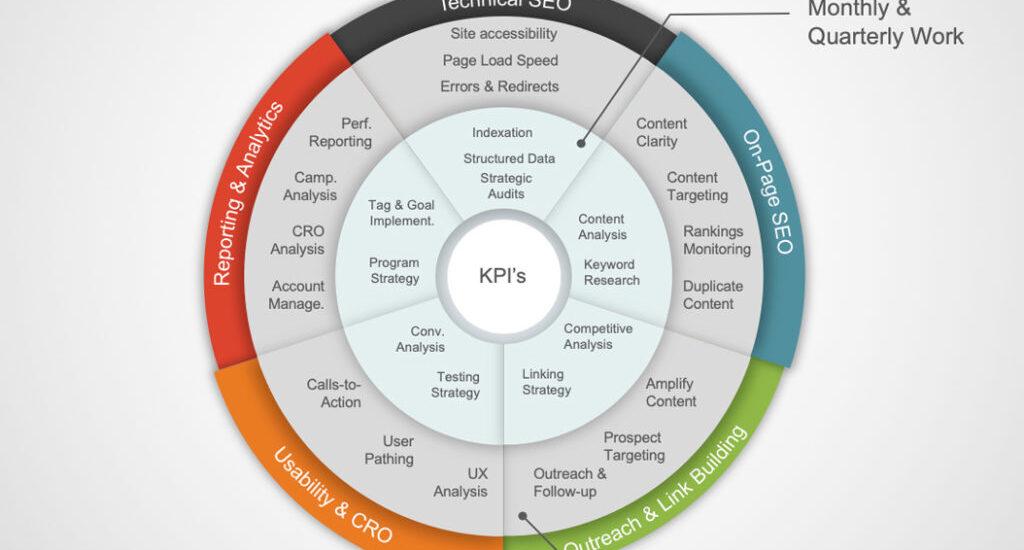
Search Engine Optimization (SEO) analysis is a crucial component of any successful digital marketing strategy. By conducting a thorough SEO analysis, businesses can gain valuable insights into their website’s performance, identify areas for improvement, and ultimately boost their online visibility and ranking on search engine results pages.
Understanding Your Audience
One of the key benefits of SEO analysis is that it helps businesses understand their target audience better. By analysing keywords, search trends, and user behaviour, businesses can tailor their content to meet the specific needs and preferences of their audience. This not only improves user experience but also increases the likelihood of attracting relevant traffic to the website.
Identifying Opportunities for Growth
SEO analysis allows businesses to identify opportunities for growth and expansion. By analysing competitor strategies, keyword rankings, and backlink profiles, businesses can uncover new avenues for increasing their online presence and outperforming competitors in search engine rankings.
Optimising Website Performance
Another important aspect of SEO analysis is optimising website performance. By analysing factors such as page load speed, mobile-friendliness, and site structure, businesses can ensure that their website meets the criteria set by search engines for optimal performance. This not only improves user experience but also boosts search engine rankings.
Measuring Success
SEO analysis provides businesses with valuable data that can be used to measure the success of their digital marketing efforts. By tracking key metrics such as organic traffic, conversion rates, and keyword rankings over time, businesses can evaluate the effectiveness of their SEO strategies and make data-driven decisions to improve performance.
Conclusion
In conclusion, SEO analysis plays a vital role in digital marketing by providing businesses with actionable insights to improve their online visibility and performance. By understanding their audience better, identifying growth opportunities, optimising website performance, and measuring success through data-driven metrics, businesses can enhance their overall digital marketing strategy and achieve long-term success in the competitive online landscape.
6 Essential Tips for Effective SEO Analysis and Strategy Improvement
- Perform keyword research to identify relevant search terms for your website.
- Analyse your website’s performance using tools like Google Analytics and Search Console.
- Optimise meta tags, headings, and content with targeted keywords for better visibility.
- Check for broken links and ensure proper redirection to maintain a good user experience.
- Monitor your competitors’ SEO strategies to stay competitive in search rankings.
- Regularly review and update your SEO strategy based on performance metrics and algorithm changes.
Perform keyword research to identify relevant search terms for your website.
Performing keyword research is a fundamental step in SEO analysis that can significantly impact the online visibility of a website. By identifying relevant search terms through thorough keyword research, businesses can better understand what their target audience is searching for and tailor their content to match those queries. This not only improves the chances of attracting organic traffic but also helps in ranking higher on search engine results pages. Effective keyword research lays the foundation for a successful SEO strategy, ensuring that the website’s content aligns with what users are actively searching for online.
Analyse your website’s performance using tools like Google Analytics and Search Console.
To enhance your SEO strategy, it is essential to analyse your website’s performance using tools such as Google Analytics and Search Console. These tools provide valuable data on key metrics like website traffic, user behaviour, keyword performance, and more. By leveraging the insights gained from these tools, businesses can make informed decisions to improve their website’s visibility, user experience, and overall search engine ranking. Regularly monitoring and analysing your website’s performance through these tools is crucial for identifying areas of strength and areas that require attention in order to optimise your SEO efforts effectively.
Optimise meta tags, headings, and content with targeted keywords for better visibility.
To enhance the visibility of your website and improve its search engine ranking, it is essential to optimise meta tags, headings, and content with targeted keywords. By strategically incorporating relevant keywords into these elements, you can signal to search engines what your content is about and increase the likelihood of your website appearing in relevant search results. This practice not only improves the overall SEO performance of your website but also enhances user experience by providing visitors with accurate and valuable information based on their search queries.
Check for broken links and ensure proper redirection to maintain a good user experience.
Checking for broken links and ensuring proper redirection is a crucial step in SEO analysis to maintain a good user experience on a website. Broken links can frustrate users and negatively impact a site’s credibility and search engine ranking. By regularly monitoring and fixing broken links, businesses can ensure that visitors have a seamless browsing experience, leading to increased engagement and satisfaction. Proper redirection not only preserves the integrity of the website but also helps search engines crawl and index content effectively, ultimately improving the overall user experience and boosting SEO performance.
Monitor your competitors’ SEO strategies to stay competitive in search rankings.
Monitoring your competitors’ SEO strategies is a crucial tip in SEO analysis to ensure that your business stays competitive in search rankings. By keeping a close eye on what keywords they are targeting, the quality of their backlinks, and any new tactics they are implementing, you can gain valuable insights to refine your own SEO approach. This proactive approach not only helps you understand the competitive landscape better but also enables you to adapt and improve your strategies to maintain or enhance your position in search engine results pages.
Regularly review and update your SEO strategy based on performance metrics and algorithm changes.
It is essential to regularly review and update your SEO strategy based on performance metrics and algorithm changes to ensure continued success in digital marketing. By monitoring key performance indicators such as organic traffic, keyword rankings, and conversion rates, businesses can identify areas for improvement and make informed decisions to enhance their online visibility. Additionally, staying abreast of search engine algorithm changes and adapting your SEO strategy accordingly is crucial to maintaining a competitive edge in the ever-evolving digital landscape. By prioritising continuous evaluation and adjustment of your SEO tactics, you can effectively optimise your website’s performance and achieve sustainable growth in search engine rankings.