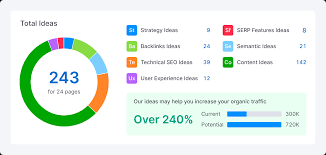


The Power of SEO Keyword Analytics
In the world of digital marketing, Search Engine Optimization (SEO) is crucial for businesses looking to improve their online visibility and attract more organic traffic to their websites. One key aspect of a successful SEO strategy is keyword analytics.
What is SEO Keyword Analytics?
SEO keyword analytics involves analysing and monitoring the performance of keywords that are relevant to your business and target audience. By understanding how users search for products or services related to your industry, you can optimise your website content to rank higher in search engine results pages (SERPs).
The Benefits of SEO Keyword Analytics
Improved Visibility: By identifying high-performing keywords, you can tailor your content to match user intent and increase your chances of appearing at the top of search results.
Enhanced User Experience: Relevant keywords help users find the information they are looking for quickly, leading to a positive user experience and potentially higher conversion rates.
Competitive Analysis: By analysing competitor keywords, you can identify gaps in your own strategy and uncover new opportunities to target specific audiences.
How to Use SEO Keyword Analytics
Research: Conduct thorough keyword research using tools like Google Keyword Planner, SEMrush, or Ahrefs to identify relevant keywords with high search volumes and low competition.
Monitoring: Regularly monitor the performance of your chosen keywords using analytics tools to track changes in rankings, organic traffic, and user engagement.
Optimisation: Use insights from keyword analytics to optimise your website content, meta tags, headings, and other on-page elements for better search engine visibility.
Conclusion
SEO keyword analytics is a powerful tool that can help businesses enhance their online presence, attract more qualified leads, and stay ahead of the competition in today’s digital landscape. By leveraging data-driven insights from keyword analysis, businesses can create targeted content that resonates with their target audience and drives meaningful results.
Essential Tips for Effective SEO Keyword Analytics: Maximising Performance and Strategy
- 1. Conduct thorough keyword research to identify relevant and high-performing keywords.
- 2. Analyse keyword performance metrics such as search volume, competition, and relevance to your content.
- 3. Monitor keyword rankings regularly to track changes and adjust your SEO strategy accordingly.
- 4. Utilise tools like Google Analytics and SEMrush for in-depth keyword analysis and insights.
- 5. Consider long-tail keywords for more targeted traffic and better conversion rates.
1. Conduct thorough keyword research to identify relevant and high-performing keywords.
To maximise the effectiveness of your SEO strategy, it is essential to conduct comprehensive keyword research to pinpoint relevant and high-performing keywords. By delving into user search behaviour and identifying the terms and phrases that resonate with your target audience, you can tailor your content to match their intent and improve your website’s visibility in search engine results. This proactive approach ensures that your content aligns with what users are actively searching for, ultimately driving more organic traffic to your site and boosting your online presence.
2. Analyse keyword performance metrics such as search volume, competition, and relevance to your content.
To maximise the effectiveness of your SEO strategy, it is essential to delve into keyword performance metrics. By analysing factors such as search volume, competition levels, and relevance to your content, you can gain valuable insights into which keywords are most likely to drive organic traffic to your website. Understanding these metrics allows you to tailor your content to match user intent effectively, ultimately improving your search engine rankings and attracting more qualified visitors to your site.
3. Monitor keyword rankings regularly to track changes and adjust your SEO strategy accordingly.
Monitoring keyword rankings regularly is a crucial aspect of effective SEO keyword analytics. By keeping a close eye on how your chosen keywords are performing in search engine results pages, you can gain valuable insights into the effectiveness of your SEO strategy. Tracking changes in rankings allows you to identify trends, understand user behaviour, and adapt your approach to ensure optimal visibility and engagement. Adjusting your SEO strategy based on this data enables you to stay competitive, improve your search engine performance, and ultimately drive more organic traffic to your website.
4. Utilise tools like Google Analytics and SEMrush for in-depth keyword analysis and insights.
To maximise the effectiveness of your SEO keyword analytics strategy, it is essential to leverage powerful tools such as Google Analytics and SEMrush. These tools offer comprehensive features for conducting in-depth keyword analysis and gaining valuable insights into user search behaviour. By utilising Google Analytics and SEMrush, businesses can identify high-performing keywords, track search trends, and refine their content to align with user intent, ultimately improving their search engine rankings and driving organic traffic to their websites.
5. Consider long-tail keywords for more targeted traffic and better conversion rates.
When implementing SEO keyword analytics, it is essential to consider utilising long-tail keywords to attract more targeted traffic and improve conversion rates. Long-tail keywords are specific phrases that users are more likely to search for when they have a clear intent, resulting in higher-quality leads visiting your website. By incorporating long-tail keywords into your content strategy, you can reach a niche audience interested in your products or services, ultimately increasing the likelihood of conversions and enhancing the overall effectiveness of your SEO efforts.