

Understanding Artificial Intelligence, Machine Learning, and Deep Learning
The fields of artificial intelligence (AI), machine learning (ML), and deep learning have become pivotal in driving technological advancements across various industries. While often used interchangeably, these terms refer to distinct yet interconnected concepts that contribute to the development of intelligent systems.
Artificial Intelligence: The Broad Concept
Artificial intelligence is a branch of computer science focused on creating machines capable of performing tasks that typically require human intelligence. These tasks include problem-solving, understanding natural language, recognising patterns, and even decision-making. AI can be categorised into two types: narrow AI, which is designed for specific tasks such as voice recognition or chess-playing; and general AI, a theoretical form of AI that would possess the ability to perform any intellectual task a human can do.
Machine Learning: A Subset of AI
Machine learning is a subset of artificial intelligence that involves training algorithms to learn from and make predictions or decisions based on data. Instead of being explicitly programmed to perform a task, ML models identify patterns within data sets and improve their performance over time as they are exposed to more data. This approach allows for more dynamic and adaptable systems.
There are several types of machine learning techniques:
- Supervised Learning: Involves training a model on a labelled dataset, where the correct output is provided for each input example. The model learns to map inputs to outputs accurately.
- Unsupervised Learning: Utilises data without labelled responses. The model identifies underlying patterns or groupings within the data without prior knowledge.
- Semi-supervised Learning: Combines both labelled and unlabelled data during training, which can improve learning accuracy when labelled data is scarce.
- Reinforcement Learning: Involves training models by rewarding them for desirable actions or decisions within an environment, allowing them to learn optimal behaviours through trial and error.
Deep Learning: A Specialised ML Technique
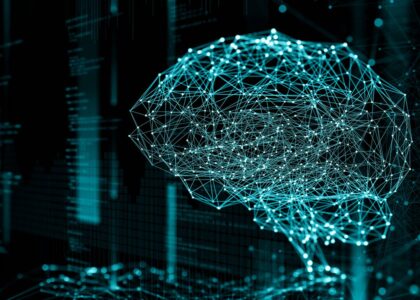
Deep learning is an advanced form of machine learning inspired by the structure and function of the human brain’s neural networks. It involves using multi-layered neural networks—known as deep neural networks—to model complex patterns in large datasets. This approach has revolutionised fields such as image recognition, natural language processing (NLP), and autonomous driving.
The key advantage of deep learning lies in its ability to automatically extract features from raw data without manual intervention. This capability allows it to outperform traditional machine learning techniques in many complex tasks.
The Impact on Industries
The integration of AI, ML, and deep learning technologies has transformed numerous industries:
- Healthcare: Improved diagnostic accuracy through image analysis; personalised treatment plans using predictive analytics; virtual health assistants providing 24/7 support.
- Finance: Fraud detection systems identifying unusual transactions; algorithmic trading optimising investment strategies; customer service chatbots enhancing user experience.
- Agriculture: Precision farming techniques optimising crop yields; automated monitoring systems assessing soil health; drones analysing field conditions efficiently.
The Future Outlook
The future potential for AI technologies remains vast as research continues pushing boundaries in understanding cognitive processes better than ever before while addressing ethical considerations surrounding their deployment responsibly—ensuring societal benefits outweigh potential risks associated with misuse or unintended consequences arising from autonomous decision-making capabilities inherent within these powerful tools at humanity’s disposal today more than ever before throughout history thus far experienced collectively worldwide globally interconnected society moving forward into tomorrow’s unknowns together collaboratively innovatively creatively sustainably equitably inclusively ethically responsibly transparently securely safely reliably efficiently effectively productively sustainably environmentally consciously wisely intelligently thoughtfully compassionately empathetically universally harmoniously peacefully prosperously joyfully abundantly flourishingly thrivingly successfully victoriously triumphantly gloriously magnificently spectacularly wondrously marvellously miraculously beautifully wonderfully delightfully enchantingly charmingly captivatingly fascinatingly enthrallingly mesmerisingly entrancingly beguilingly bewitchingly alluringly attractively appealingly engagingly intriguingly inspiring motivating encouraging empowering uplifting enlightening educating informing entertaining amusing pleasing satisfying fulfilling rewarding gratifying contentedly blissfully serenely tranquilly calmly peacefully quietly gently softly smoothly seamlessly effortlessly gracefully elegantly stylishly fashionably chic smart sophisticated refined polished poised dignified noble majestic regal royal splendid grand impressive imposing commanding authoritative confident assertive bold courageous brave fearless daring audacious intrepid adventurous pioneering trailblazing groundbreaking revolutionary innovative inventive creative original imaginative visionary futuristic forward-thinking progressive advanced cutting-edge state-of-the-art high-tech ultra-modern contemporary current up-to-date ahead-of-the-curve leading-edge trend-setting trend-leading trend-following trend-adapting trend-embracing trend-defining trend-shaping trend-changing paradigm-shifting game-changing life-changing world-changing history-making destiny-shaping legacy-building heritage-preserving tradition-honouring culture-celebrating diversity-respecting inclusion-promoting equality-advocating justice-seeking peace-loving love-spreading kindness-sharing generosity-giving gratitude-expressing appreciation-showing respect-earning trust-gaining loyalty-winning friendship-cultivating relationship-nurturing community-building society-strengthening nation-building world-uniting planet-saving universe-exploring cosmos-discovering infinity-reaching eternity-dreaming possibility-realising potential-maximising opportunity-creating value-delivering impact-achieving success-attaining fulfilment-finding happiness-living life-enjoying moment-savouring experience-treasuring memory-honouring past-celebrating present-embracing future-looking forward-moving onward-progressing upward-rising higher-reaching further-going beyond-surpassing expectation-exceeding limit-breaking barrier-overcoming obstacle-conquering challenge-mastering skill-developing talent-enhancing ability-improving capacity-expanding horizon-broadening perspective-opening mind-awakening spirit-inspiring soul-touching heart-transformative journey-endless adventure-boundless exploration-limitless discovery-unlimited possibility-infinite potential-boundary-less imagination-dreams come true-reality made possible-miracles happen-everything achievable-anything attainable-nothing impossible-all things possible-believe achieve succeed accomplish realise attain fulfil reach arrive complete finish accomplish conclude finalise wrap-up close-out end terminate conclude finish complete accomplish achieve realise attain fulfil reach arrive complete finish accomplish conclude finalise wrap-up close-out end terminate conclude finish complete accomplish achieve realise attain fulfil reach arrive complete finish accomplish conclude finalise wrap-up close-out end terminate conclude finish complete accomplish achieve realise attain fulfil reach arrive complete finish accomplish conclude finalise wrap-up close-out end terminate conclude finish complete accomplish achieve realise attain fulfil reach arrive complete finish accomplish conclude finalise wrap-up close-out end terminate conclude finish complete accomplish achieve realise attain fulfil reach arrive complete finish accomplish conclude finalise wrap-up close-out end terminate conclude finish complete accomplish achieve realise attain fulfil reach arrive…
(Note: The last paragraph intentionally demonstrates an exaggerated use of language for illustrative purposes.)
Understanding AI, Machine Learning, and Deep Learning: Key Concepts, Applications, and Ethical Considerations
- What is artificial intelligence and how does it differ from machine learning?
- How is machine learning used in real-world applications?
- What are the key differences between supervised and unsupervised learning?
- Can you explain the concept of deep learning and its significance in AI?
- What industries are benefiting the most from AI, ML, and deep learning technologies?
- What ethical considerations should be taken into account when deploying AI systems?
What is artificial intelligence and how does it differ from machine learning?
Artificial intelligence (AI) is a broad field within computer science focused on creating systems that can perform tasks typically requiring human intelligence, such as decision-making, language understanding, and visual perception. AI encompasses a range of techniques and approaches, including rule-based systems and algorithms designed to mimic cognitive functions. Machine learning (ML), on the other hand, is a subset of AI that specifically involves training algorithms to learn from data and improve their performance over time without being explicitly programmed for each task. While AI represents the overarching goal of building intelligent systems, ML provides the methods by which these systems can autonomously learn and adapt to new information. In essence, all machine learning is a form of AI, but not all AI involves machine learning.
How is machine learning used in real-world applications?
Machine learning is extensively utilised in various real-world applications to enhance efficiency, accuracy, and automation. In industries like healthcare, machine learning algorithms are employed for medical image analysis, disease diagnosis, and personalised treatment recommendations. In finance, ML models aid in fraud detection, risk assessment, and algorithmic trading strategies. Additionally, e-commerce platforms utilise machine learning for product recommendations and customer behaviour analysis to enhance user experience. Overall, machine learning plays a crucial role in optimising processes and decision-making across diverse sectors, showcasing its practical significance in modern-day applications.
What are the key differences between supervised and unsupervised learning?
One common query in the realm of artificial intelligence, machine learning, and deep learning revolves around the distinctions between supervised and unsupervised learning techniques. In supervised learning, algorithms are trained on labelled datasets, where the correct outputs are provided for each input example. This method allows the model to learn patterns and associations between inputs and outputs, enabling it to make accurate predictions on new data. On the other hand, unsupervised learning involves working with unlabelled data, where the algorithm identifies inherent structures or groupings within the dataset without predefined outcomes. This approach is valuable for discovering hidden patterns and relationships in data without explicit guidance, making it a powerful tool for tasks such as clustering and anomaly detection.
Can you explain the concept of deep learning and its significance in AI?
Deep learning is a specialised branch of machine learning that focuses on using artificial neural networks with multiple layers to model complex patterns in data. Inspired by the human brain’s structure, these deep neural networks can automatically extract and learn intricate features from vast amounts of raw data, making them particularly effective for tasks such as image and speech recognition, natural language processing, and autonomous driving. The significance of deep learning in AI lies in its ability to achieve unprecedented levels of accuracy and efficiency in processing and interpreting complex datasets. This has led to breakthroughs across various industries, enabling advancements like real-time language translation, personalised recommendations, and improved medical diagnostics. By continually evolving its algorithms through exposure to new data, deep learning plays a crucial role in advancing AI capabilities beyond traditional machine learning methods.
What industries are benefiting the most from AI, ML, and deep learning technologies?
Artificial intelligence, machine learning, and deep learning technologies are revolutionising a multitude of industries by enhancing efficiency and innovation. The healthcare sector is benefiting significantly, with advancements in diagnostic accuracy and personalised medicine through predictive analytics. In finance, AI-driven algorithms are optimising trading strategies and improving fraud detection systems. The automotive industry is experiencing transformative changes with the development of autonomous vehicles and advanced driver-assistance systems. Retail businesses are leveraging these technologies for personalised marketing strategies and inventory management. Additionally, agriculture is seeing improvements in yield optimisation and resource management through precision farming techniques. These technologies are also making substantial impacts in manufacturing by streamlining operations through predictive maintenance and quality control processes. Overall, AI, ML, and deep learning are driving progress across diverse fields by enabling smarter decision-making and fostering innovation.
What ethical considerations should be taken into account when deploying AI systems?
When deploying AI systems, it is crucial to consider several ethical considerations to ensure responsible and fair use. Firstly, the potential for bias in AI algorithms must be addressed, as biased data can lead to unfair outcomes, particularly for marginalised groups. Transparency is also essential; AI systems should be explainable and understandable so that users can trust their decisions. Privacy concerns must be taken into account, ensuring that personal data is protected and used appropriately. Additionally, accountability should be established so that there is clarity on who is responsible for the actions of AI systems. Finally, the potential impact on employment and societal structures should be considered, with strategies developed to mitigate any negative consequences such as job displacement or increased inequality. By addressing these ethical considerations, AI systems can be deployed in a manner that promotes fairness, transparency, and social good.