

The Power of Digital Marketing Analytics Services
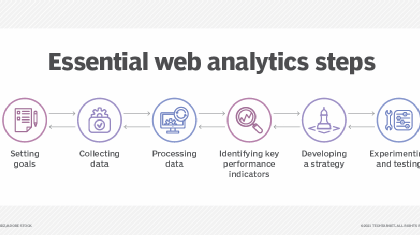
In today’s digital age, businesses are constantly seeking ways to enhance their online presence and reach their target audience effectively. Digital marketing analytics services have emerged as a vital tool in helping companies understand and optimise their digital marketing strategies.
Understanding Consumer Behaviour
One of the key benefits of digital marketing analytics services is the ability to track and analyse consumer behaviour online. By monitoring metrics such as website traffic, click-through rates, and conversion rates, businesses can gain valuable insights into how customers interact with their online platforms.
Optimising Marketing Campaigns
With digital marketing analytics services, businesses can measure the performance of their marketing campaigns in real-time. By analysing data on campaign effectiveness, engagement levels, and ROI, companies can make data-driven decisions to optimise their strategies for better results.
Personalised Customer Experience
By leveraging digital marketing analytics services, businesses can create personalised customer experiences based on data insights. Understanding customer preferences and behaviour allows companies to tailor their marketing efforts to individual needs, increasing customer satisfaction and loyalty.
Improving Return on Investment (ROI)
Digital marketing analytics services play a crucial role in measuring the ROI of digital marketing activities. By tracking key performance indicators (KPIs) and analysing campaign results, businesses can identify areas for improvement and allocate resources more effectively to maximise ROI.
Staying Ahead of the Competition
In a competitive digital landscape, businesses that harness the power of digital marketing analytics services gain a competitive edge. By continuously monitoring and analysing data trends, companies can adapt their strategies quickly to stay ahead of the competition and meet evolving consumer demands.
Final Thoughts
Overall, digital marketing analytics services are essential for businesses looking to succeed in the digital realm. By leveraging data-driven insights to refine strategies, enhance customer experiences, and improve ROI, companies can achieve sustainable growth and long-term success in today’s dynamic market environment.
Unlocking Success: 7 Key Benefits of Digital Marketing Analytics Services
- 1. Data-driven decision-making
- 2. Improved targeting
- 3. Enhanced ROI
- 4. Personalised customer experiences
- 5. Competitive advantage
- 6. Performance tracking
- 7. Scalability
Challenges in Digital Marketing Analytics: Navigating Complexity, Cost, and Privacy Concerns
- Complexity
- Cost
- Data Privacy Concerns
- Overwhelming Data
- Technical Challenges
- Dependency on Technology
1. Data-driven decision-making
Digital marketing analytics services empower businesses to make data-driven decisions by providing real-time data and insights. By analysing metrics such as website traffic, user engagement, and conversion rates, companies can gain a deeper understanding of their target audience’s behaviour and preferences. This valuable information allows businesses to tailor their marketing strategies effectively, allocate resources efficiently, and ultimately enhance their overall performance in the digital landscape.
2. Improved targeting
By utilising digital marketing analytics services, businesses can benefit from improved targeting capabilities. Through in-depth analysis of consumer behaviour and preferences, companies can tailor their marketing strategies to target the right audience with precision. This enhanced targeting not only increases the likelihood of reaching potential customers but also improves the overall effectiveness of marketing campaigns by delivering relevant messages to those most likely to engage and convert.
3. Enhanced ROI
By utilising digital marketing analytics services to optimise marketing campaigns, businesses can achieve enhanced return on investment and make more strategic decisions regarding the allocation of resources. By analysing data and performance metrics, companies can identify successful strategies, eliminate ineffective tactics, and allocate budget and resources more efficiently towards initiatives that yield the highest ROI. This data-driven approach not only improves the effectiveness of marketing efforts but also ensures that every pound spent contributes to achieving measurable results and business objectives.
4. Personalised customer experiences
An invaluable benefit of digital marketing analytics services is the ability to create personalised customer experiences. By delving into customer preferences and behaviour through data analysis, businesses can tailor their marketing strategies to individual needs. This tailored approach not only enhances customer satisfaction but also fosters stronger connections with customers, leading to increased loyalty and engagement.
5. Competitive advantage
Utilising digital marketing analytics services provides businesses with a significant competitive advantage by enabling them to stay ahead of competitors through quick adaptation to market trends. By leveraging data insights and real-time analysis, companies can make informed decisions, adjust their strategies promptly, and capitalise on emerging opportunities in the dynamic digital landscape. This proactive approach not only enhances brand visibility and customer engagement but also positions businesses as industry leaders, driving sustained growth and success in the ever-evolving market environment.
6. Performance tracking
One significant advantage of utilising digital marketing analytics services is the ability for businesses to track the performance of their digital marketing activities effectively. By closely monitoring metrics such as website traffic, conversion rates, and engagement levels, companies can gain valuable insights into the effectiveness of their marketing campaigns. This data-driven approach enables businesses to make informed decisions and adjustments in real-time, ensuring that their strategies are optimised for better results and maximum impact on their target audience.
7. Scalability
Digital marketing analytics services offer the advantage of scalability, empowering businesses to grow their online footprint and connect with a broader audience. By utilising these services, companies can easily adapt and expand their digital marketing efforts to accommodate increasing demand and target new markets effectively. The scalability of digital marketing analytics services enables businesses to flexibly adjust their strategies as needed, ensuring that they can reach a larger audience and drive sustainable growth in the competitive digital landscape.
Complexity
Digital marketing analytics services present a significant challenge in terms of complexity. The vast amount of data generated and the intricacies of analysis can overwhelm businesses without the necessary expertise. Interpreting and utilising these analytics effectively require a deep understanding of data interpretation, statistical analysis, and digital marketing strategies. Without the right skills and knowledge, companies may struggle to derive meaningful insights from the data, hindering their ability to make informed decisions and optimise their marketing efforts efficiently.
Cost
Implementing and maintaining digital marketing analytics services can present a significant challenge in terms of cost, particularly for small businesses operating within constrained budgets. The expenses associated with setting up the necessary infrastructure, acquiring the right tools and technologies, as well as hiring skilled professionals to manage and interpret the data, can quickly add up. For small businesses striving to make a mark in the digital landscape, the financial burden of investing in comprehensive analytics services may pose a barrier to accessing valuable insights that could otherwise enhance their marketing strategies and overall performance.
Data Privacy Concerns
Gathering and analysing customer data for digital marketing analytics services may raise privacy concerns among consumers. With the increasing focus on data privacy regulations and the growing awareness of personal information security, customers are becoming more cautious about how their data is collected, stored, and used for marketing purposes. The potential misuse or mishandling of sensitive information can erode trust between businesses and consumers, leading to reputational damage and legal implications. Balancing the benefits of data-driven insights with respect for individual privacy rights is crucial for businesses to maintain trust and credibility in the digital landscape.
Overwhelming Data
The con of digital marketing analytics services lies in the overwhelming amount of data they generate. The sheer volume of data can be daunting, posing a challenge for businesses to sift through and extract meaningful insights. With so much information available, there is a risk of getting lost in the data overload, leading to difficulties in identifying key trends, patterns, and actionable strategies. This abundance of data can hinder decision-making processes and prevent businesses from effectively leveraging the full potential of digital marketing analytics services to drive success.
Technical Challenges
One significant con of digital marketing analytics services is the technical challenges associated with integrating various tools and platforms. Businesses often face complexities in consolidating data from different sources and ensuring seamless communication between analytics tools. This process demands specialised knowledge and expertise in managing and troubleshooting technical issues that may arise during integration. The intricate nature of these technical challenges can hinder the smooth implementation of digital marketing analytics services, potentially impacting the efficiency and accuracy of data analysis for businesses.
Dependency on Technology
Dependency on technology is a significant con associated with digital marketing analytics services. Relying heavily on data-driven insights and metrics may result in a diminished emphasis on creativity and intuition in decision-making processes. Over-reliance on technology can restrict the exploration of innovative ideas and intuitive approaches, potentially hindering the development of unique and impactful marketing strategies. It is essential for businesses to strike a balance between utilising digital marketing analytics services for valuable insights and maintaining space for creative thinking and strategic intuition to ensure holistic and effective decision-making.