
Understanding Artificial Intelligence and Machine Learning
Artificial Intelligence (AI) and Machine Learning (ML) are two of the most transformative technologies of our time. They are reshaping industries, driving innovation, and changing the way we interact with the world around us. In this article, we will explore what AI and ML are, how they differ, and their impact on various sectors.
What is Artificial Intelligence?
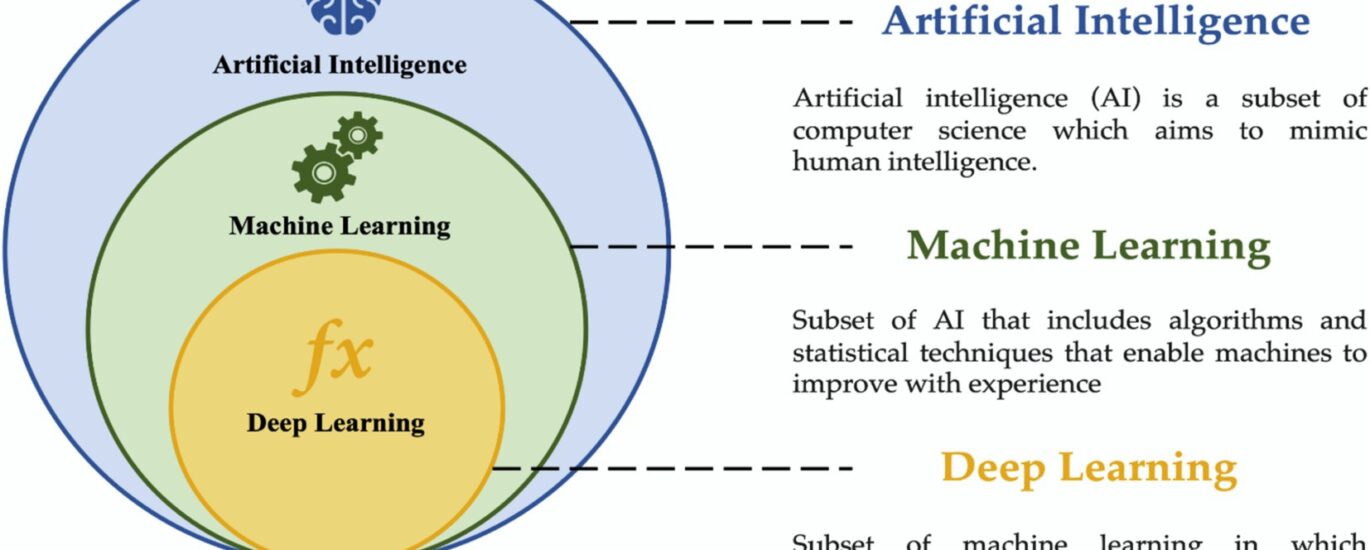
Artificial Intelligence refers to the simulation of human intelligence in machines that are programmed to think like humans and mimic their actions. It encompasses a wide range of capabilities, from recognising speech to making complex decisions. AI systems can be designed to perform specific tasks or operate autonomously across a variety of functions.
What is Machine Learning?
Machine Learning is a subset of AI that focuses on the development of algorithms that allow computers to learn from data and improve their performance over time without being explicitly programmed. ML models identify patterns in data, enabling predictions or decisions based on new inputs.
The Relationship Between AI and ML
While AI is the broader concept of machines being able to carry out tasks in a smart way, ML is a current application of AI based on the idea that systems can learn from data, identify patterns, and make decisions with minimal human intervention. In essence, all machine learning counts as artificial intelligence, but not all artificial intelligence counts as machine learning.
Applications of AI and ML
- Healthcare: AI and ML are revolutionising healthcare by improving diagnostics accuracy through image recognition technologies, predicting patient outcomes, and personalising treatment plans.
- Finance: These technologies help detect fraudulent activities by analysing transaction patterns and enhance customer service through chatbots.
- Retail: Retailers use AI-driven recommendation engines to personalise shopping experiences for customers based on their preferences and behaviours.
- Automotive: Autonomous vehicles rely heavily on AI for navigation systems that process vast amounts of data in real-time to ensure safety on the roads.
The Future Impact
The potential for AI and ML is vast. As these technologies evolve, they will continue to open up new opportunities across different fields while also posing challenges such as ethical considerations around data privacy and job displacement. Addressing these challenges requires collaboration between technologists, policymakers, businesses, and society at large.
Conclusion
The integration of artificial intelligence with machine learning represents a significant leap forward in technological advancement. By harnessing the power of these tools responsibly, we can unlock unprecedented efficiencies while fostering innovation across industries worldwide.
8 Essential Tips for Mastering Machine Learning and AI Effectively
- Understand the basics of machine learning algorithms before diving into complex models.
- Clean and preprocess your data effectively to improve model performance.
- Regularly update and retrain your AI models to ensure they stay accurate and relevant.
- Feature engineering plays a crucial role in enhancing model accuracy, so invest time in it.
- Consider the ethical implications of AI applications and ensure fairness and transparency.
- Evaluate different model performance metrics to choose the most suitable one for your task.
- Ensemble learning techniques can often improve model accuracy by combining multiple models.
- Stay updated with the latest trends and advancements in AI and machine learning for continuous improvement.
Understand the basics of machine learning algorithms before diving into complex models.
Before delving into complex models, it’s crucial to grasp the fundamentals of machine learning algorithms. Understanding the basics provides a solid foundation that enables one to appreciate how different algorithms function, their strengths and limitations, and when to apply them effectively. By familiarising oneself with simple concepts such as linear regression, decision trees, or k-means clustering, one can develop a deeper insight into more sophisticated techniques like neural networks or ensemble methods. This foundational knowledge not only aids in selecting the most appropriate algorithm for a given problem but also enhances one’s ability to troubleshoot and optimise models as they grow in complexity.
Clean and preprocess your data effectively to improve model performance.
Effective data cleaning and preprocessing are crucial steps in enhancing the performance of machine learning models. Raw data often contains noise, missing values, and inconsistencies that can negatively impact a model’s accuracy and reliability. By thoroughly cleaning the data, such as handling missing values and removing duplicates, one ensures that the dataset is as accurate and relevant as possible. Preprocessing techniques like normalisation, scaling, and encoding categorical variables further refine the data, making it suitable for analysis by machine learning algorithms. These steps help models to learn more effectively from the data, ultimately leading to improved predictions and insights. In essence, a well-prepared dataset forms the foundation for successful AI implementations, allowing models to perform at their best.
Regularly update and retrain your AI models to ensure they stay accurate and relevant.
In the rapidly evolving field of artificial intelligence and machine learning, it is crucial to regularly update and retrain AI models to maintain their accuracy and relevance. As new data becomes available, models can become outdated if they are not periodically refreshed with this information. Regular updates allow AI systems to adapt to changing patterns and trends, ensuring that predictions and decisions remain reliable. Moreover, retraining helps in addressing any biases that may have developed over time, enhancing the overall performance and fairness of the model. By consistently refining AI models, organisations can maximise their effectiveness and continue to derive meaningful insights from their data.
Feature engineering plays a crucial role in enhancing model accuracy, so invest time in it.
Feature engineering is a pivotal aspect of the machine learning process, as it directly influences the accuracy and effectiveness of predictive models. By transforming raw data into meaningful features that better represent the underlying problem to the predictive algorithms, feature engineering can significantly enhance model performance. Investing time in this process allows data scientists to uncover hidden patterns and relationships within the data, which may not be immediately apparent. Well-crafted features can lead to simpler models that generalise better to new data, ultimately improving the model’s accuracy and reliability. Therefore, dedicating effort to thoughtful feature engineering is essential for achieving optimal results in any machine learning project.
Consider the ethical implications of AI applications and ensure fairness and transparency.
When developing and deploying AI applications, it is crucial to consider the ethical implications to ensure fairness and transparency. AI systems have the potential to significantly impact society, influencing decisions in areas such as employment, healthcare, and law enforcement. Therefore, it is essential that these systems operate without bias and are built on transparent algorithms that stakeholders can understand and trust. Ensuring fairness involves actively working to eliminate any discriminatory practices that may arise from biased data or flawed design processes. By prioritising ethical considerations, developers can create AI solutions that not only perform effectively but also uphold societal values and protect individual rights.
Evaluate different model performance metrics to choose the most suitable one for your task.
When working with artificial intelligence and machine learning, evaluating different model performance metrics is crucial to selecting the most suitable one for your specific task. Each metric provides unique insights into how well a model performs, and the choice of metric can significantly impact the outcomes of your project. For instance, accuracy might be appropriate for balanced datasets, but precision and recall are more informative when dealing with imbalanced datasets where false positives or false negatives carry different costs. Additionally, metrics like F1-score offer a balance between precision and recall, while AUC-ROC curves provide a comprehensive view of a model’s ability to distinguish between classes. By carefully analysing these metrics in relation to the goals of your task, you can ensure that your chosen model not only performs optimally but also aligns with the specific requirements and constraints of your application.
Ensemble learning techniques can often improve model accuracy by combining multiple models.
Ensemble learning techniques in the realm of artificial intelligence and machine learning have shown great promise in enhancing model accuracy by leveraging the strength of multiple models. By combining diverse models that excel in different aspects or have varying strengths, ensemble learning can mitigate individual model weaknesses and produce more robust and accurate predictions. This collaborative approach not only boosts overall performance but also enhances the reliability and generalisation capabilities of the models, making them more effective in addressing complex real-world challenges.
Stay updated with the latest trends and advancements in AI and machine learning for continuous improvement.
In the rapidly evolving field of artificial intelligence and machine learning, staying updated with the latest trends and advancements is crucial for continuous improvement. As new algorithms, techniques, and applications emerge, keeping abreast of these developments enables professionals to enhance their skills and remain competitive in the industry. By engaging with academic journals, attending conferences, participating in workshops, and following thought leaders in AI and machine learning, individuals can gain valuable insights into cutting-edge innovations. This proactive approach not only fosters personal growth but also ensures that businesses can leverage the most effective solutions to drive efficiency and innovation in their operations.