
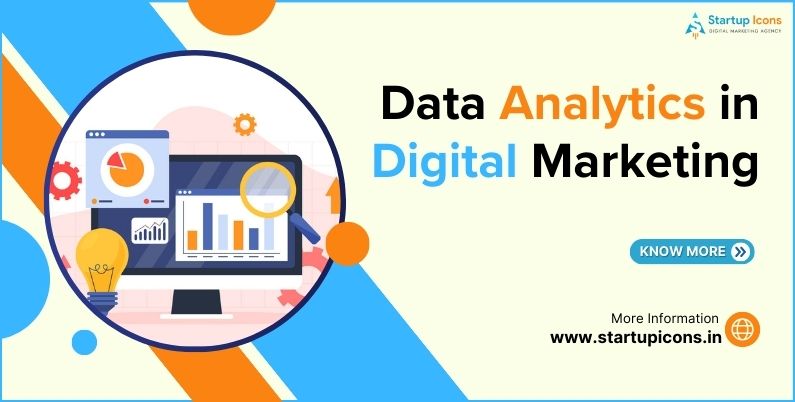
The Power of Data Analysis in Digital Marketing
In today’s digital age, data analysis has become a crucial tool for businesses looking to maximise their marketing efforts and reach their target audience effectively. With the vast amount of data available online, companies can now gather valuable insights that can inform and enhance their digital marketing strategies.
Understanding Customer Behaviour
One of the key benefits of data analysis in digital marketing is the ability to understand customer behaviour more accurately. By analysing data such as website traffic, social media engagement, and email open rates, businesses can gain insights into what resonates with their audience. This information allows companies to tailor their marketing campaigns to better meet the needs and preferences of their customers.
Optimising Campaign Performance
Data analysis also plays a crucial role in optimising campaign performance. By tracking key performance indicators (KPIs) such as conversion rates, click-through rates, and return on investment (ROI), businesses can identify which marketing strategies are most effective. This insight enables companies to allocate resources more efficiently and focus on tactics that deliver the best results.
Personalising the Customer Experience
Personalisation has become a cornerstone of successful digital marketing campaigns, and data analysis is instrumental in achieving this. By analysing customer data such as demographics, purchase history, and online behaviour, businesses can create targeted and personalised marketing messages that resonate with individual customers. This level of personalisation not only enhances the customer experience but also increases engagement and loyalty.
Predicting Trends and Opportunities
Another advantage of data analysis in digital marketing is its ability to predict trends and identify new opportunities. By analysing historical data and monitoring industry trends, businesses can anticipate changes in consumer behaviour and market dynamics. This foresight allows companies to stay ahead of the competition by adapting their strategies proactively.
The Future of Digital Marketing
As technology continues to evolve, the role of data analysis in digital marketing will only become more critical. Businesses that harness the power of data to inform their marketing strategies will have a competitive edge in reaching their target audience effectively and driving business growth. By investing in robust data analytics tools and expertise, companies can unlock new possibilities for success in the ever-changing digital landscape.
Are you ready to take your digital marketing efforts to the next level with data analysis? Contact us today to learn how we can help you leverage the power of data for your business’s success.
Understanding Data Analysis in Digital Marketing: Key Questions Answered
- What is data analytics in digital advertising?
- What data is used in digital marketing?
- How do you gather data for digital marketing?
- What is digital data analysis?
- What data is required for digital marketing?
- What is data analyst in digital marketing?
What is data analytics in digital advertising?
Data analytics in digital advertising refers to the process of collecting, analysing, and interpreting data from various digital marketing channels to gain insights that drive advertising strategies and decision-making. By utilising data analytics in digital advertising, businesses can measure the performance of their campaigns, understand customer behaviour, and optimise their marketing efforts to achieve better results. This approach allows advertisers to target their audience more effectively, personalise their messaging, and ultimately improve the return on investment (ROI) of their advertising initiatives. Data analytics plays a crucial role in helping businesses make informed decisions and continuously refine their digital advertising strategies for maximum impact and success.
What data is used in digital marketing?
In digital marketing, a wide range of data is utilised to inform and enhance marketing strategies. This data includes but is not limited to website traffic metrics, social media engagement statistics, email campaign performance indicators, customer demographics, purchase history, online behaviour patterns, and conversion rates. By analysing this diverse set of data points, businesses can gain valuable insights into their target audience’s preferences, behaviours, and interactions with their brand. This information enables companies to tailor their marketing efforts effectively, personalise the customer experience, optimise campaign performance, and make data-driven decisions that drive success in the competitive digital landscape.
How do you gather data for digital marketing?
To gather data for digital marketing, businesses employ various methods to collect valuable information about their target audience and campaign performance. Common techniques include tracking website analytics, monitoring social media engagement metrics, conducting customer surveys, utilising email marketing data, and leveraging third-party tools for market research. By combining these sources of data, businesses can gain a comprehensive understanding of customer behaviour, preferences, and trends to inform their digital marketing strategies effectively.
What is digital data analysis?
Digital data analysis refers to the process of examining and interpreting data collected from various digital sources to extract valuable insights that can inform marketing strategies and decision-making. It involves using advanced analytical tools and techniques to dissect data sets, identify patterns, trends, and correlations, and ultimately derive meaningful conclusions. In the context of digital marketing, data analysis plays a crucial role in understanding customer behaviour, measuring campaign performance, personalising the customer experience, predicting trends, and identifying new opportunities for growth. By harnessing the power of digital data analysis, businesses can optimise their marketing efforts, enhance customer engagement, and drive business success in today’s competitive online landscape.
What data is required for digital marketing?
When it comes to digital marketing, the type of data required varies depending on the specific goals and strategies of a campaign. Generally, essential data for digital marketing includes customer demographics, online behaviour, website traffic analytics, social media engagement metrics, email performance data, and sales/conversion data. This information provides valuable insights into target audience preferences, helps track campaign effectiveness, and enables businesses to tailor their marketing efforts for maximum impact. By collecting and analysing these key datasets, companies can make informed decisions that drive successful digital marketing campaigns and achieve their desired outcomes.
What is data analyst in digital marketing?
A data analyst in digital marketing is a professional who specialises in collecting, interpreting, and analysing data to derive actionable insights that drive marketing strategies and campaigns. This role involves working with various data sources, such as website analytics, social media metrics, customer databases, and campaign performance data. By examining this data, a data analyst can identify trends, patterns, and correlations that help businesses understand their target audience better and make informed decisions to optimise marketing efforts. Ultimately, the work of a data analyst in digital marketing is instrumental in improving the effectiveness and efficiency of marketing campaigns by leveraging data-driven insights.