
The Power of Data Analysis in Digital Marketing
In the fast-paced world of digital marketing, data analysis plays a crucial role in driving success and achieving business goals. By harnessing the power of data, marketers can gain valuable insights into consumer behaviour, preferences, and trends, allowing them to make informed decisions and create targeted campaigns that resonate with their target audience.
Understanding Consumer Behaviour
Data analysis enables marketers to delve deep into consumer behaviour patterns by analysing metrics such as website traffic, click-through rates, and conversion rates. By understanding how consumers interact with their digital assets, marketers can tailor their marketing strategies to meet the needs and preferences of their target audience effectively.
Personalised Marketing Campaigns
With the help of data analysis tools, marketers can segment their audience based on various criteria such as demographics, interests, and online behaviour. This segmentation allows for the creation of personalised marketing campaigns that are more relevant and engaging to individual consumers. Personalisation not only enhances the customer experience but also increases the likelihood of conversion and customer retention.
Optimising Marketing ROI
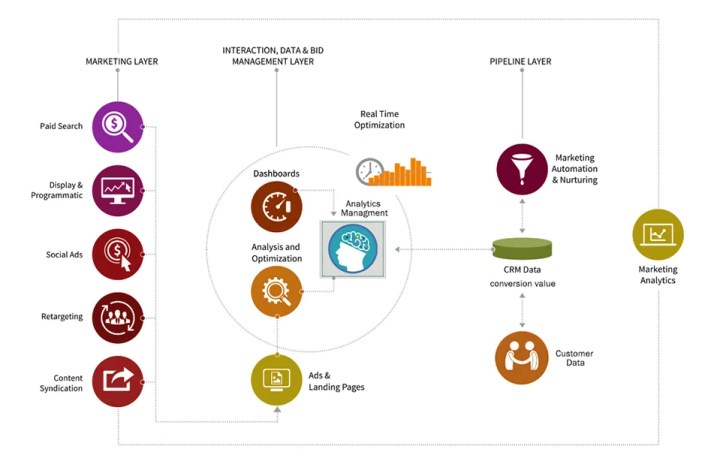
Data analysis provides marketers with valuable insights into the performance of their marketing campaigns in real-time. By tracking key performance indicators (KPIs) such as return on investment (ROI), cost per acquisition (CPA), and customer lifetime value (CLV), marketers can identify areas for improvement and optimise their strategies to maximise ROI effectively.
Predictive Analytics for Future Success
One of the most powerful applications of data analysis in digital marketing is predictive analytics. By analysing historical data trends and patterns, marketers can forecast future consumer behaviour and trends with a high degree of accuracy. This foresight enables marketers to proactively adjust their strategies to stay ahead of the competition and capitalise on emerging opportunities.
The Future of Digital Marketing
As technology continues to evolve at a rapid pace, data analysis will play an increasingly vital role in shaping the future of digital marketing. Marketers who embrace data-driven decision-making processes will be better positioned to adapt to changing market dynamics, engage with consumers more effectively, and drive sustainable growth for their businesses in the digital age.
In conclusion, data analysis is not just a tool for measuring success but a strategic asset that empowers marketers to unlock new possibilities in digital marketing. By leveraging data insights intelligently, marketers can drive innovation, enhance customer engagement, and achieve tangible results that propel their brands towards long-term success.
Understanding Data Analysis in Digital Marketing: Key Questions and Insights
- What is data analysis in the context of digital marketing?
- How does data analysis help improve digital marketing strategies?
- What are the key benefits of using data analysis in digital marketing?
- Which tools and techniques are commonly used for data analysis in digital marketing?
- How can data analysis be used to enhance customer segmentation in digital marketing?
- What role does predictive analytics play in shaping digital marketing strategies?
- How can businesses measure the success of their digital marketing campaigns through data analysis?
What is data analysis in the context of digital marketing?
Data analysis in the context of digital marketing refers to the process of collecting, interpreting, and deriving meaningful insights from data generated through various digital channels and platforms. It involves analysing metrics such as website traffic, social media engagement, email open rates, and conversion rates to understand consumer behaviour, preferences, and trends. By utilising data analysis techniques and tools, marketers can make informed decisions, create targeted campaigns, measure the effectiveness of their strategies, and optimise their marketing efforts to achieve better results. Data analysis plays a pivotal role in helping marketers identify opportunities for growth, personalise marketing campaigns, improve ROI, and stay ahead of the competition in the dynamic landscape of digital marketing.
How does data analysis help improve digital marketing strategies?
Data analysis plays a pivotal role in enhancing digital marketing strategies by providing valuable insights into consumer behaviour, preferences, and trends. By analysing data metrics such as website traffic, conversion rates, and customer engagement, marketers can gain a deeper understanding of their target audience and tailor their campaigns accordingly. Data analysis enables marketers to identify high-performing channels, optimise marketing spend, and personalise content to create more engaging and relevant experiences for consumers. Through data-driven decision-making processes, marketers can continuously refine their strategies, improve campaign performance, and ultimately drive better results in the competitive landscape of digital marketing.
What are the key benefits of using data analysis in digital marketing?
In the realm of digital marketing, utilising data analysis offers a multitude of key benefits that can significantly enhance marketing strategies and outcomes. By harnessing data insights, marketers gain a profound understanding of consumer behaviour, enabling them to create personalised and targeted campaigns that resonate with their audience. Data analysis empowers marketers to optimise their marketing ROI by tracking performance metrics and identifying areas for improvement in real-time. Moreover, predictive analytics derived from data analysis allows marketers to forecast future trends and make informed decisions to stay ahead in the competitive digital landscape. Ultimately, the key benefits of using data analysis in digital marketing lie in its ability to drive strategic decision-making, enhance customer engagement, and achieve measurable results that contribute to long-term success for businesses.
Which tools and techniques are commonly used for data analysis in digital marketing?
In digital marketing, a variety of tools and techniques are commonly used for data analysis to gain valuable insights and drive informed decision-making. Popular tools include Google Analytics for tracking website traffic and user behaviour, social media analytics platforms like Hootsuite and Sprout Social for monitoring social media performance, and email marketing tools such as Mailchimp for analysing email campaign metrics. Additionally, data visualization tools like Tableau and Power BI are often employed to create interactive dashboards that present data in a visually engaging way. Techniques such as segmentation analysis, A/B testing, and predictive modelling are also widely utilised to extract meaningful patterns from data and optimise marketing strategies effectively in the digital landscape.
How can data analysis be used to enhance customer segmentation in digital marketing?
Data analysis plays a pivotal role in enhancing customer segmentation in digital marketing by enabling marketers to categorise and target specific customer groups based on their unique characteristics and behaviours. By analysing a wealth of data points such as demographics, purchase history, online interactions, and preferences, marketers can create detailed customer profiles that allow for more accurate segmentation. This segmentation facilitates the delivery of personalised marketing messages and offers to each segment, increasing relevance and engagement with the target audience. Through data analysis, marketers can continuously refine their segmentation strategies, ensuring that they are effectively reaching the right customers with the right message at the right time, ultimately driving better results and fostering stronger customer relationships in the digital landscape.
What role does predictive analytics play in shaping digital marketing strategies?
Predictive analytics plays a pivotal role in shaping digital marketing strategies by providing marketers with valuable insights into future trends and consumer behaviour. By analysing historical data patterns and trends, predictive analytics enables marketers to forecast potential outcomes and make informed decisions about their marketing campaigns. This proactive approach allows marketers to anticipate market changes, identify emerging opportunities, and optimise their strategies to maximise ROI effectively. By leveraging predictive analytics, marketers can stay ahead of the competition, create more targeted campaigns, and deliver personalised experiences that resonate with their target audience, ultimately driving success in the dynamic landscape of digital marketing.
How can businesses measure the success of their digital marketing campaigns through data analysis?
Businesses can measure the success of their digital marketing campaigns through data analysis by tracking and analysing key performance indicators (KPIs) that align with their marketing objectives. By monitoring metrics such as website traffic, conversion rates, click-through rates, customer acquisition costs, and return on investment (ROI), businesses can gain valuable insights into the effectiveness of their campaigns. Data analysis allows businesses to identify trends, patterns, and areas for improvement, enabling them to make data-driven decisions that optimise their marketing strategies for maximum impact and success in the digital landscape.