

The Power of Business Analytics in ERP Systems
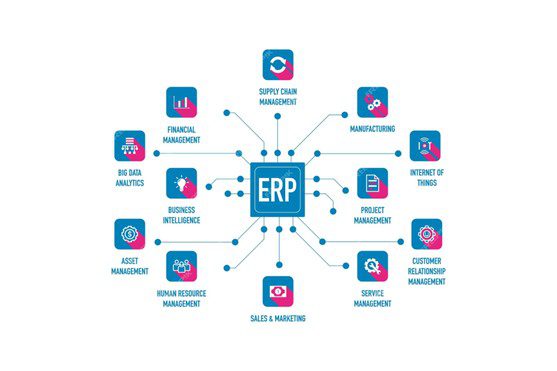
In today’s fast-paced business environment, data is king. Companies are constantly seeking ways to leverage their data to make more informed decisions and gain a competitive edge. This is where Enterprise Resource Planning (ERP) systems come into play, offering a comprehensive solution for managing various aspects of a business, including finances, human resources, and operations.
One of the key features that sets modern ERP systems apart is their robust business analytics capabilities. By integrating powerful analytics tools directly into the ERP platform, businesses can now access real-time insights and visualisations that help them understand their operations better and identify opportunities for improvement.
Benefits of Business Analytics in ERP
Data-Driven Decision Making: With integrated analytics, businesses can move away from gut instinct and base their decisions on hard data. This leads to more accurate forecasting, better resource allocation, and improved overall performance.
Improved Operational Efficiency: By analysing key performance indicators (KPIs) within the ERP system, businesses can identify bottlenecks, streamline processes, and eliminate inefficiencies that may be holding them back.
Enhanced Customer Insights: Understanding customer behaviour is crucial for any business. With advanced analytics tools in ERP systems, companies can gain valuable insights into customer preferences, buying patterns, and satisfaction levels to tailor their offerings accordingly.
Challenges and Considerations
While the benefits of incorporating business analytics into ERP systems are clear, there are challenges that organisations may face along the way. These include data quality issues, integration complexities, and user adoption hurdles. It’s essential for companies to address these challenges proactively to maximise the value they derive from their analytics initiatives.
The Future of Business Analytics in ERP
As technology continues to evolve at a rapid pace, the future of business analytics in ERP looks promising. Machine learning algorithms, predictive analytics models, and AI-powered insights are set to revolutionise how businesses harness data within their ERP systems. By staying ahead of these trends and embracing innovation, companies can unlock new opportunities for growth and success.
Key Insights into Business Analytics and ERP: Understanding Types, Roles, and Processes
- What are the four 4 types of business analytics?
- What is the role of business analyst in ERP implementation?
- What is ERP business process analysis?
- Is business analytics the same as ERP?
- What are the 4 types of business analytics?
What are the four 4 types of business analytics?
In the realm of business analytics within ERP systems, a frequently asked question revolves around the four main types of business analytics. These types include descriptive analytics, which focuses on summarising historical data to provide insights into past performance; diagnostic analytics, which delves deeper into data to uncover the root causes of specific outcomes; predictive analytics, which uses statistical algorithms and machine learning techniques to forecast future trends and behaviours; and prescriptive analytics, which goes a step further by recommending actions that can optimise decision-making processes based on the insights gained from the other types of analytics. Understanding these four key types of business analytics is essential for businesses looking to harness the full potential of their ERP systems for data-driven decision-making and strategic planning.
What is the role of business analyst in ERP implementation?
In the realm of ERP implementation, the role of a business analyst is pivotal in ensuring the successful integration of business analytics. Business analysts act as liaisons between the technical team and business stakeholders, translating complex technical requirements into actionable insights that align with the organisation’s strategic goals. They play a crucial role in gathering and analysing data, identifying business needs, defining system requirements, and facilitating communication across different departments. Business analysts also contribute to the design and testing phases of ERP implementation, ensuring that the final solution meets the specific needs of the business while leveraging advanced analytics capabilities to drive informed decision-making and operational efficiency.
What is ERP business process analysis?
ERP business process analysis is a critical component of leveraging Enterprise Resource Planning (ERP) systems effectively within an organisation. It involves a thorough examination and evaluation of existing business processes to identify areas for improvement and optimisation. By conducting ERP business process analysis, companies can gain a deeper understanding of how their operations function, streamline workflows, enhance efficiency, and align processes with strategic objectives. This analysis helps businesses tailor their ERP systems to meet specific needs, drive innovation, and ultimately achieve greater success in today’s competitive business landscape.
Is business analytics the same as ERP?
The frequently asked question concerning business analytics in ERP often revolves around whether business analytics is the same as ERP. While both concepts are closely related and complement each other, they serve distinct purposes within an organisation. Enterprise Resource Planning (ERP) systems focus on integrating and managing various business functions, such as finance, human resources, and supply chain management. On the other hand, business analytics involves analysing data to derive insights, trends, and patterns that can inform strategic decision-making. In essence, ERP provides the infrastructure for data collection and storage, while business analytics leverages this data to drive actionable intelligence and enhance operational efficiency.
What are the 4 types of business analytics?
In the realm of business analytics within ERP systems, understanding the four main types of analytics is crucial for leveraging data effectively. These four types include descriptive analytics, which focuses on summarising historical data to provide insights into past performance; diagnostic analytics, which delves deeper into why certain events occurred by identifying patterns and correlations in the data; predictive analytics, which uses statistical algorithms to forecast future trends and outcomes based on historical data; and prescriptive analytics, which goes a step further by recommending actions to optimise decision-making processes. Each type plays a unique role in helping businesses make informed decisions and drive success through data-driven strategies.