

The Rise of AI and Machine Learning
Artificial Intelligence (AI) and machine learning have become integral parts of modern technology, revolutionising industries and reshaping the way we live and work. These technologies, once the realm of science fiction, are now driving innovation across various sectors, from healthcare to finance.
Understanding AI and Machine Learning
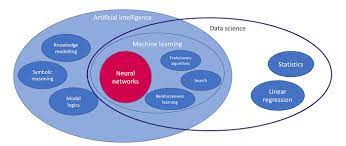
AI refers to the simulation of human intelligence in machines that are programmed to think and learn like humans. It encompasses a range of technologies, including natural language processing, robotics, and computer vision. Machine learning is a subset of AI that focuses on the development of algorithms that allow computers to learn from and make predictions based on data.
Applications Across Industries
The applications of AI and machine learning are vast and varied. In healthcare, these technologies are used for predictive analytics in patient care, drug discovery, and personalised treatment plans. In finance, they help in fraud detection, algorithmic trading, and risk management. Retailers use AI to enhance customer experience through personalised recommendations and inventory management.
The Benefits
One of the main benefits of AI and machine learning is their ability to process large amounts of data quickly and accurately. This capability enables businesses to gain insights that were previously unattainable. Moreover, these technologies can automate repetitive tasks, freeing up human resources for more complex problem-solving activities.
Challenges Ahead
Despite their potential, AI and machine learning come with challenges. Ethical concerns about privacy, data security, and decision-making transparency need addressing. Additionally, there is a growing need for skilled professionals who can develop and manage these systems effectively.
The Future Outlook
The future of AI and machine learning looks promising as advancements continue at a rapid pace. As these technologies evolve, they will likely become even more integrated into everyday life. The key will be balancing innovation with ethical considerations to ensure that these powerful tools benefit society as a whole.
In conclusion, AI and machine learning are not just buzzwords but transformative forces shaping the future. Their impact is already significant across numerous fields; however, ongoing research and development will further unlock their potential for societal advancement.
Essential Tips for Mastering AI Machine Learning: From Problem Understanding to Ethical Considerations
- Understand the problem you are trying to solve before choosing a machine learning algorithm.
- Clean and preprocess your data to ensure quality input for the machine learning model.
- Experiment with different algorithms and hyperparameters to find the best model for your data.
- Regularly evaluate and fine-tune your machine learning model to improve its performance over time.
- Consider the ethical implications of using AI in decision-making processes.
- Stay updated with the latest developments in AI and machine learning to leverage new techniques and technologies.
Understand the problem you are trying to solve before choosing a machine learning algorithm.
Before selecting a machine learning algorithm, it is crucial to thoroughly understand the problem you are attempting to solve. This foundational step ensures that the chosen algorithm aligns with the specific requirements and constraints of your task. Different algorithms are suited to different types of problems, such as classification, regression, or clustering. By clearly defining the problem, including the nature of the data and the desired outcome, you can make informed decisions about which algorithm will be most effective. This understanding helps to avoid unnecessary complexity and ensures that resources are used efficiently, ultimately leading to more accurate and meaningful results.
Clean and preprocess your data to ensure quality input for the machine learning model.
Ensuring that data is clean and properly preprocessed is a crucial step in developing effective machine learning models. High-quality input data significantly enhances the performance and accuracy of these models. Preprocessing involves handling missing values, removing duplicates, normalising or scaling features, and encoding categorical variables appropriately. By addressing inconsistencies and noise in the dataset, one can minimise errors and improve the model’s ability to learn meaningful patterns. This foundational step not only optimises the algorithm’s efficiency but also ensures more reliable predictions, ultimately leading to better decision-making based on the insights derived from the model.
Experiment with different algorithms and hyperparameters to find the best model for your data.
Experimenting with different algorithms and hyperparameters is crucial in the process of developing an effective machine learning model. Each dataset has unique characteristics, and no single algorithm can universally outperform others across all scenarios. By testing various algorithms, one can identify which is most suitable for the specific patterns and structures within the data. Additionally, fine-tuning hyperparameters—those adjustable settings that govern the learning process—can significantly enhance a model’s performance. This iterative approach of experimenting and refining helps in discovering the optimal combination that yields the highest accuracy and efficiency, ensuring that the final model is well-suited to meet the desired objectives.
Regularly evaluate and fine-tune your machine learning model to improve its performance over time.
Regularly evaluating and fine-tuning your machine learning model is crucial to enhancing its performance over time. By continually assessing its accuracy and effectiveness, you can identify areas for improvement and make necessary adjustments to ensure optimal results. Fine-tuning the model based on new data and insights allows it to adapt to changing conditions and deliver more precise predictions, ultimately maximising its efficiency and effectiveness in various applications.
Consider the ethical implications of using AI in decision-making processes.
When incorporating AI into decision-making processes, it is crucial to consider the ethical implications involved. AI systems often rely on vast datasets and complex algorithms, which can inadvertently perpetuate biases present in the data. This can lead to unfair or discriminatory outcomes, particularly in sensitive areas such as hiring, law enforcement, and lending. Transparency is essential; stakeholders must understand how decisions are made and have the ability to contest them if necessary. Additionally, there is a need to ensure data privacy and protect individuals’ rights. By addressing these ethical concerns proactively, organisations can foster trust and create AI systems that are not only effective but also fair and responsible.
Stay updated with the latest developments in AI and machine learning to leverage new techniques and technologies.
In the rapidly evolving field of AI and machine learning, staying updated with the latest developments is crucial for leveraging new techniques and technologies effectively. The landscape is constantly changing, with breakthroughs in algorithms, tools, and applications emerging regularly. By keeping abreast of these advancements, professionals can enhance their skill sets and implement cutting-edge solutions that drive innovation and efficiency. This proactive approach not only ensures competitiveness in the industry but also enables individuals and organisations to harness the full potential of AI technologies, leading to improved outcomes across various sectors. Engaging with academic publications, attending industry conferences, and participating in online forums are excellent ways to remain informed about the newest trends and opportunities in this dynamic field.