
The Power of SEO Optimizer: Boosting Your Online Presence
In today’s digital age, having a strong online presence is crucial for businesses to succeed. Search Engine Optimization (SEO) plays a vital role in improving your website’s visibility and driving organic traffic. One powerful tool that can help you achieve this is an SEO optimizer.
What is an SEO Optimizer?
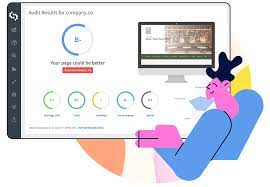
An SEO optimizer is a tool or software that helps you analyse, improve, and track the performance of your website in search engine results. It provides valuable insights into your website’s SEO health and suggests optimisation strategies to enhance your ranking on search engines like Google, Bing, and Yahoo.
Key Benefits of Using an SEO Optimizer:
- Improved Website Ranking: By identifying and fixing issues that impact your website’s ranking, an SEO optimizer can help you climb higher in search results.
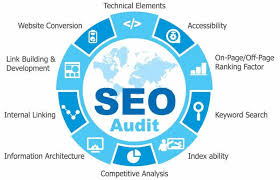
- Keyword Analysis: An SEO optimizer analyses keywords relevant to your industry and target audience, helping you choose the right keywords to attract more organic traffic.
- Competitor Analysis: By comparing your website’s performance with that of your competitors, an SEO optimizer helps you stay ahead in the competitive online landscape.
- Performance Tracking: Track the impact of your SEO efforts over time and make data-driven decisions to further improve your website’s visibility.
- User Experience Enhancement: An SEO optimizer not only focuses on search engine algorithms but also helps enhance user experience by improving site speed, mobile-friendliness, and overall usability.
Choosing the Right SEO Optimizer
When selecting an SEO optimizer for your business, consider factors such as ease of use, features offered, pricing, customer support, and compatibility with your website platform. Look for a tool that provides comprehensive insights and actionable recommendations to maximise the benefits of SEO for your online presence.
In Conclusion
An effective SEO strategy is essential for businesses looking to increase their online visibility and drive more organic traffic. By leveraging the power of an SEO optimizer, you can fine-tune your website’s performance, attract more visitors, and ultimately boost your online presence. Invest in an SEO optimizer today and watch your business soar to new heights in the digital realm!
8 Essential SEO Optimisation Tips for Enhancing Your Website’s Performance
- Create high-quality and relevant content for your website.
- Optimize your website’s meta tags, including title tags and meta descriptions.
- Use appropriate keywords throughout your content, but avoid keyword stuffing.
- Improve your website’s loading speed for better user experience and SEO performance.
- Build backlinks from reputable websites to increase your site’s authority.
- Optimize images on your website by using descriptive file names and alt text.
- Ensure your website is mobile-friendly to cater to users on various devices.
- Regularly monitor and analyse your SEO performance using tools like Google Analytics.
Create high-quality and relevant content for your website.
Creating high-quality and relevant content for your website is a fundamental tip when utilising an SEO optimizer. Search engines value fresh, engaging content that provides value to users. By focusing on producing quality content that is relevant to your target audience and incorporates strategic keywords, you can enhance your website’s visibility and attract organic traffic. Quality content not only helps improve your search engine ranking but also establishes credibility and trust with your visitors, ultimately leading to higher conversion rates and sustained online success.
Optimize your website’s meta tags, including title tags and meta descriptions.
To enhance your website’s search engine visibility and attract more organic traffic, it is essential to optimise your meta tags, including title tags and meta descriptions. These elements provide search engines with valuable information about your web pages, influencing how they appear in search results. By crafting compelling and relevant title tags and meta descriptions that incorporate targeted keywords, you can improve click-through rates and boost your website’s overall SEO performance. Remember, these small yet significant details can make a big difference in driving traffic to your site and improving its online presence.
Use appropriate keywords throughout your content, but avoid keyword stuffing.
To optimise your website’s search engine ranking effectively, it is essential to incorporate relevant keywords strategically within your content. However, it is crucial to maintain a balance and avoid keyword stuffing, which can harm your SEO efforts. By using appropriate keywords naturally and organically throughout your content, you can enhance visibility and attract the right audience without compromising the quality of your material. Remember, quality content that engages readers while incorporating targeted keywords appropriately is key to a successful SEO strategy.
Improve your website’s loading speed for better user experience and SEO performance.
To enhance your website’s user experience and boost its SEO performance, focus on improving its loading speed. A fast-loading website not only keeps visitors engaged but also signals search engines that your site is efficient and user-friendly. By optimising loading times, you can provide a seamless browsing experience for users and increase the likelihood of higher search engine rankings. Prioritising website speed is a key aspect of SEO optimisation that can have a significant impact on both user satisfaction and search visibility.
Build backlinks from reputable websites to increase your site’s authority.
Building backlinks from reputable websites is a crucial strategy when utilising an SEO optimizer. By acquiring links from trustworthy and authoritative sources, you can enhance your site’s credibility and boost its authority in the eyes of search engines. These backlinks act as a vote of confidence for your website, signalling to search engine algorithms that your content is valuable and deserving of higher rankings. Incorporating this tip into your SEO strategy can significantly improve your site’s visibility and organic traffic over time.
Optimize images on your website by using descriptive file names and alt text.
To enhance your website’s SEO performance, it is crucial to optimise images by using descriptive file names and alt text. When search engines crawl your site, they rely on these elements to understand the content of your images. By incorporating relevant keywords into your file names and alt text, you not only improve accessibility for visually impaired users but also increase the chances of your images appearing in search results. This simple yet effective tip can significantly boost your website’s visibility and drive more organic traffic to your pages.
Ensure your website is mobile-friendly to cater to users on various devices.
In the realm of SEO optimization, a crucial tip is to ensure that your website is mobile-friendly to accommodate users accessing it on a plethora of devices. With the growing trend of mobile browsing, it is imperative to provide a seamless and responsive experience for users across smartphones, tablets, and other mobile devices. By prioritising mobile-friendliness, you not only enhance user experience but also improve your website’s chances of ranking higher in search engine results, ultimately driving more organic traffic to your site.
Regularly monitor and analyse your SEO performance using tools like Google Analytics.
Regularly monitoring and analysing your SEO performance using tools like Google Analytics is crucial for maintaining a strong online presence. By tracking key metrics such as website traffic, user behaviour, and keyword performance, you can gain valuable insights into the effectiveness of your SEO strategies. This data allows you to identify areas for improvement, make informed decisions, and continuously optimise your website to enhance visibility and attract more organic traffic. Consistent monitoring with tools like Google Analytics empowers you to adapt to changing trends and ensure that your SEO efforts align with your business goals for long-term success in the digital landscape.