

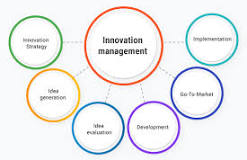
The Importance of Innovation Management in Today’s Business Landscape
Innovation management is a crucial aspect of modern business strategy that focuses on fostering creativity, developing new ideas, and implementing groundbreaking solutions to drive growth and maintain a competitive edge in the market.
Businesses that effectively manage innovation are better positioned to adapt to changing market dynamics, meet evolving customer needs, and stay ahead of the competition. By establishing a systematic approach to innovation management, organisations can harness the full potential of their employees’ creativity and drive sustainable growth.
Key Components of Innovation Management
Effective innovation management involves several key components:
- Strategic Vision: A clear strategic vision that aligns innovation efforts with overall business objectives is essential for successful innovation management.
- Culture of Creativity: Fostering a culture that encourages experimentation, risk-taking, and collaboration is crucial for generating innovative ideas within an organisation.
- Idea Generation: Establishing processes for idea generation, such as brainstorming sessions or innovation workshops, helps stimulate creativity and uncover new opportunities.
- Resource Allocation: Allocating adequate resources, including time, budget, and talent, to support innovation initiatives is vital for their success.
- Risk Management: Managing risks associated with innovation projects by conducting thorough assessments and implementing mitigation strategies can help minimise potential setbacks.
- Continuous Improvement: Emphasising a culture of continuous improvement and learning from both successes and failures is essential for sustaining innovation over the long term.
The Benefits of Effective Innovation Management
Organisations that prioritise innovation management can reap numerous benefits, including:
- Competitive Advantage: Innovating allows businesses to differentiate themselves from competitors and offer unique value propositions to customers.
- Growth Opportunities: Developing innovative products or services opens up new revenue streams and expands market reach.
- Enhanced Customer Experience: Innovation can lead to the creation of customer-centric solutions that improve satisfaction and loyalty.
- Talent Retention: Fostering a culture of innovation can attract top talent who are motivated by opportunities to work on cutting-edge projects.
- Sustainability: Constantly innovating helps organisations adapt to changing market conditions and remain relevant in the long term.
In conclusion, effective innovation management is a critical driver of success in today’s rapidly evolving business landscape. By embracing a structured approach to fostering creativity, developing new ideas, and implementing innovative solutions, organisations can position themselves for sustained growth and competitiveness in the future.
Essential FAQs on Innovation Management: Strategies, Challenges, and Success Measurement
- What is innovation management and why is it important?
- How can businesses foster a culture of innovation within their organisation?
- What are the key challenges faced by companies in implementing effective innovation management strategies?
- What role does leadership play in driving innovation within an organisation?
- How can companies measure the success of their innovation management initiatives?
- What are some best practices for resource allocation in innovation management?
- How can organisations balance risk-taking and risk management in their innovation efforts?
- What impact does technology have on innovation management processes?
What is innovation management and why is it important?
Innovation management refers to the systematic process of nurturing creativity, developing new ideas, and implementing innovative solutions within an organisation. It involves strategically guiding and overseeing the entire innovation lifecycle, from idea generation to commercialisation. Innovation management is crucial for businesses as it enables them to stay competitive in a rapidly changing market landscape, adapt to evolving customer needs, and drive sustainable growth. By effectively managing innovation, organisations can harness the full potential of their resources, foster a culture of creativity and experimentation, and continuously improve their products and services to meet the demands of today’s dynamic business environment.
How can businesses foster a culture of innovation within their organisation?
To foster a culture of innovation within their organisation, businesses can implement several key strategies. Firstly, leadership plays a crucial role in setting the tone for innovation by encouraging risk-taking, embracing new ideas, and rewarding creativity. Creating a work environment that values open communication, collaboration, and diversity of thought can also stimulate innovative thinking among employees. Providing resources and support for idea generation, such as innovation workshops or dedicated time for brainstorming sessions, can help cultivate a culture where innovation thrives. Additionally, establishing mechanisms for recognising and celebrating successful innovations can incentivise further creativity and reinforce the importance of innovation within the organisation. By nurturing a culture that promotes experimentation, learning from failures, and continuous improvement, businesses can create an environment where innovation becomes ingrained in the company’s DNA.
What are the key challenges faced by companies in implementing effective innovation management strategies?
One of the frequently asked questions in the realm of innovation management revolves around the key challenges faced by companies when implementing effective innovation management strategies. Companies often encounter obstacles such as resistance to change within the organisational culture, inadequate resource allocation for innovation projects, difficulty in aligning innovation efforts with overarching business goals, and managing the inherent risks associated with experimentation and new ideas. Overcoming these challenges requires a strategic approach that fosters a culture of creativity, encourages collaboration across departments, and prioritises continuous learning and adaptation to drive successful innovation initiatives within the organisation.
What role does leadership play in driving innovation within an organisation?
Leadership plays a pivotal role in driving innovation within an organisation. Effective leaders set the tone for a culture that values creativity, experimentation, and continuous improvement. By inspiring and empowering their teams, leaders can encourage employees to think outside the box, take calculated risks, and pursue innovative ideas. Strong leadership provides direction, resources, and support for innovation initiatives, fostering a collaborative environment where new concepts can flourish. Ultimately, leaders who champion innovation not only drive organisational growth but also cultivate a mindset of adaptability and forward-thinking that propels the company towards long-term success.
How can companies measure the success of their innovation management initiatives?
Measuring the success of innovation management initiatives is essential for companies to assess the impact of their efforts and make informed decisions for future strategies. Companies can gauge the success of their innovation management initiatives through various key performance indicators (KPIs) such as revenue growth from new products or services, increased market share, customer satisfaction ratings, employee engagement levels, successful implementation of new ideas, and return on investment (ROI) from innovation projects. By tracking these metrics and analysing the outcomes, companies can effectively evaluate the effectiveness of their innovation management initiatives and make adjustments to drive continuous improvement and sustainable innovation.
What are some best practices for resource allocation in innovation management?
When it comes to resource allocation in innovation management, several best practices can maximise the effectiveness of innovation initiatives. Firstly, it is essential to align resources with strategic priorities and allocate them based on the potential impact on business objectives. Prioritising projects that have a clear strategic fit and high potential for innovation success can optimise resource utilisation. Additionally, fostering a culture that values experimentation and risk-taking can encourage innovative thinking and help identify opportunities for resource allocation. Regular monitoring and evaluation of resource allocation decisions are also crucial to ensure that resources are being used efficiently and effectively to drive innovation within the organisation.
How can organisations balance risk-taking and risk management in their innovation efforts?
Organisations face the challenge of balancing risk-taking and risk management in their innovation efforts to drive growth while mitigating potential setbacks. Striking this balance requires a strategic approach that encourages creativity and experimentation while also implementing robust risk assessment processes. By fostering a culture that values calculated risks and learning from failures, organisations can empower their teams to explore new ideas and pursue innovative opportunities. Effective risk management practices, such as scenario planning, impact analysis, and contingency planning, help identify potential pitfalls and develop strategies to mitigate them. Finding the right equilibrium between risk-taking and risk management is essential for organisations to navigate the complexities of innovation successfully and achieve sustainable growth in today’s competitive business landscape.
What impact does technology have on innovation management processes?
Technology plays a pivotal role in shaping innovation management processes by revolutionising how ideas are generated, developed, and implemented within organisations. The integration of advanced technology tools such as artificial intelligence, data analytics, and collaboration platforms has streamlined innovation workflows, enhanced decision-making capabilities, and accelerated the pace of innovation. By leveraging technology effectively, businesses can access real-time data insights, collaborate across teams and departments seamlessly, and experiment with new ideas more efficiently. Ultimately, technology empowers organisations to stay agile, adapt to market changes quickly, and drive continuous improvement in their innovation management strategies.