

The Crucial Role of SEO Keyword Analysis in Digital Marketing
SEO keyword analysis is a fundamental aspect of any successful digital marketing strategy. By identifying and targeting the right keywords, businesses can improve their search engine rankings, drive organic traffic to their websites, and ultimately increase conversions.
What is SEO Keyword Analysis?
SEO keyword analysis involves researching and selecting specific keywords or phrases that users are likely to type into search engines when looking for information related to a particular product or service. By incorporating these keywords strategically into website content, businesses can improve their visibility in search engine results pages (SERPs).
The Benefits of SEO Keyword Analysis
Effective SEO keyword analysis offers several key benefits:
- Improved Search Engine Rankings: By targeting relevant keywords, businesses can increase their chances of appearing higher in SERPs, making it easier for potential customers to find them online.
- Increased Organic Traffic: Optimising website content with targeted keywords can attract more organic traffic from search engines, reducing the need for paid advertising.
- Better User Experience: By providing content that aligns with user search intent, businesses can enhance the overall user experience and increase engagement on their websites.
- Higher Conversion Rates: Targeting the right keywords can attract qualified leads who are more likely to convert into customers, leading to increased sales and revenue.
How to Conduct SEO Keyword Analysis
The process of SEO keyword analysis typically involves the following steps:
- Keyword Research: Use tools like Google Keyword Planner or SEMrush to identify relevant keywords with high search volumes and low competition.
- Competitor Analysis: Analyse competitor websites to see which keywords they are ranking for and identify opportunities for improvement.
- Keyword Selection: Choose a mix of short-tail and long-tail keywords that are highly relevant to your business and target audience.
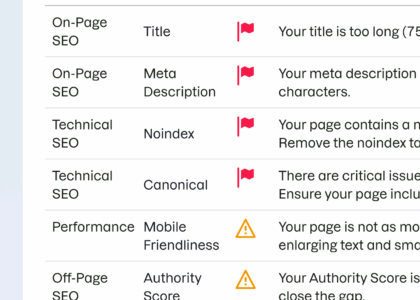
- Content Optimisation: Incorporate selected keywords naturally into website content, including meta tags, headings, and body text.
- Monitoring and Adjustment: Regularly monitor keyword performance using analytics tools and make adjustments as needed to maintain or improve rankings.
In Conclusion
In today’s competitive online landscape, SEO keyword analysis is essential for businesses looking to enhance their digital presence and attract quality traffic. By understanding the importance of targeted keyword optimisation and implementing effective strategies, businesses can achieve long-term success in the ever-evolving world of digital marketing.
Essential FAQs on SEO Keyword Analysis for Digital Marketing Success
- What is SEO keyword analysis?
- Why is SEO keyword analysis important for digital marketing?
- How can SEO keyword analysis improve search engine rankings?
- What tools are commonly used for conducting SEO keyword analysis?
- What is the difference between short-tail and long-tail keywords in SEO?
- How do I choose the right keywords for my website through SEO keyword analysis?
- What are the best practices for incorporating keywords into website content for effective SEO?
What is SEO keyword analysis?
SEO keyword analysis is a crucial component of digital marketing that involves researching and selecting specific keywords or phrases that users are likely to use when searching for information related to a particular product or service. By strategically incorporating these keywords into website content, businesses can enhance their visibility in search engine results pages (SERPs) and attract organic traffic. Effective SEO keyword analysis helps businesses improve their search engine rankings, drive relevant traffic to their websites, and ultimately increase conversions by targeting the right keywords that align with user search intent.
Why is SEO keyword analysis important for digital marketing?
SEO keyword analysis is crucial for digital marketing because it serves as the foundation for improving a business’s online visibility and attracting relevant traffic. By conducting thorough keyword research and strategically incorporating these keywords into website content, businesses can enhance their search engine rankings, drive organic traffic, and ultimately increase conversions. Targeting the right keywords not only helps businesses reach their target audience more effectively but also improves user experience by providing valuable and relevant content. In essence, SEO keyword analysis is key to unlocking the full potential of a digital marketing strategy and achieving sustainable growth in the competitive online landscape.
How can SEO keyword analysis improve search engine rankings?
SEO keyword analysis plays a crucial role in improving search engine rankings by helping businesses identify and target the most relevant and high-performing keywords for their content. By strategically incorporating these keywords into website content, meta tags, and other elements, businesses can signal to search engines that their pages are highly relevant to users’ search queries. This optimisation process increases the likelihood of search engines ranking the website higher in search results, ultimately driving more organic traffic to the site. In essence, SEO keyword analysis acts as a roadmap that guides businesses towards creating content that aligns with what users are searching for online, thereby enhancing visibility and authority in search engine results pages.
What tools are commonly used for conducting SEO keyword analysis?
When it comes to conducting SEO keyword analysis, several tools are commonly used by digital marketers and SEO professionals. Popular tools such as Google Keyword Planner, SEMrush, Ahrefs, Moz Keyword Explorer, and Ubersuggest are widely utilised for keyword research and analysis. These tools provide valuable insights into search volume, competition level, and keyword trends, helping businesses identify relevant keywords to target in their content strategy. By leveraging these tools effectively, businesses can enhance their SEO efforts and improve their search engine rankings to drive organic traffic to their websites.
What is the difference between short-tail and long-tail keywords in SEO?
Short-tail and long-tail keywords play distinct roles in SEO strategies. Short-tail keywords are typically shorter, more generic terms with high search volumes and competition, making them more challenging to rank for. On the other hand, long-tail keywords are longer, more specific phrases that target niche audiences with lower search volumes but higher conversion rates. While short-tail keywords help generate broad visibility and traffic, long-tail keywords enable businesses to attract qualified leads actively seeking specific products or services. Balancing the use of both short and long-tail keywords in SEO keyword analysis can optimise a website’s visibility, attract relevant traffic, and enhance overall search engine rankings.
How do I choose the right keywords for my website through SEO keyword analysis?
When selecting the most suitable keywords for your website through SEO keyword analysis, it is crucial to begin by understanding your target audience and their search behaviour. Conduct thorough keyword research using tools such as Google Keyword Planner or SEMrush to identify relevant keywords with high search volumes and low competition. Consider the specific products or services you offer, as well as any unique selling points that set your business apart. Additionally, analyse competitor websites to gain insights into which keywords they are ranking for successfully. By choosing a mix of short-tail and long-tail keywords that align with your business goals and resonate with your target audience, you can optimise your website content effectively and improve your search engine rankings. Regularly monitor keyword performance and make adjustments as necessary to ensure continued success in attracting organic traffic to your website.
What are the best practices for incorporating keywords into website content for effective SEO?
When it comes to incorporating keywords into website content for effective SEO, following best practices is essential. Firstly, it is crucial to conduct thorough keyword research to identify relevant and high-performing keywords that align with your business objectives and target audience. Once you have selected the right keywords, integrate them naturally into your content, including headings, meta tags, and body text. Avoid keyword stuffing, as this can harm your SEO efforts. Additionally, focus on creating high-quality, engaging content that provides value to users while incorporating targeted keywords strategically. Regularly monitor keyword performance and make adjustments as needed to maintain or improve search engine rankings. By following these best practices, businesses can enhance their SEO efforts and drive organic traffic to their websites effectively.