
The Impact of Clayton Christensen’s Theory of Disruptive Innovation
Clayton Christensen, a renowned Harvard Business School professor, is widely known for his groundbreaking theory of disruptive innovation. His research has had a profound impact on the way businesses approach innovation and strategic planning.
What is Disruptive Innovation?
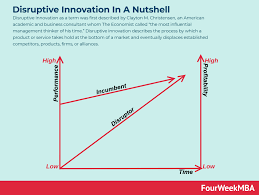
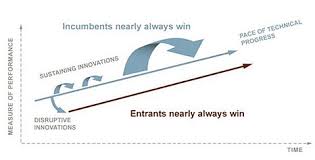
Disruptive innovation, as defined by Christensen, refers to the process by which a smaller company with limited resources challenges established industry giants by introducing a simpler, more affordable product or service that initially targets underserved or overlooked segments of the market.
Examples of Disruptive Innovations
One classic example of disruptive innovation is the introduction of personal computers. Initially considered inferior to mainframe computers, personal computers gradually improved in performance and reliability until they eventually disrupted the entire computer industry.
The Impact on Established Companies
Christensen’s theory highlights the importance for established companies to continually innovate and adapt to changing market dynamics. Failure to recognise and respond to disruptive innovations can lead to their downfall, as seen in numerous industries over the years.
Legacy of Clayton Christensen
Clayton Christensen’s work continues to influence business leaders worldwide. His emphasis on understanding disruptive forces and embracing change has reshaped traditional business strategies and inspired a new wave of entrepreneurial thinking.
Conclusion
In conclusion, Clayton Christensen’s theory of disruptive innovation serves as a guiding principle for businesses seeking sustainable growth in an increasingly competitive market. By embracing change and fostering a culture of innovation, companies can position themselves for long-term success in an ever-evolving business landscape.
Understanding Clayton Christensen’s Theory of Disruptive Innovation: Key Principles, Impact on Established Companies, and Modern Business Strategies
- What is Clayton Christensen’s theory of disruptive innovation?
- How does disruptive innovation impact established companies?
- Can you provide examples of disruptive innovations according to Clayton Christensen?
- What are the key principles behind Clayton Christensen’s theory of disruptive innovation?
- How has Clayton Christensen’s work influenced modern business strategies?
- Why is it important for businesses to understand and respond to disruptive innovations?
What is Clayton Christensen’s theory of disruptive innovation?
Clayton Christensen’s theory of disruptive innovation proposes that smaller, less established companies can challenge industry giants by introducing simpler, more affordable products or services that initially target underserved market segments. These disruptive innovations gradually improve in quality and performance, eventually reshaping the industry landscape and displacing established players. Christensen’s theory emphasises the importance of businesses continuously innovating and adapting to changing market dynamics to avoid being disrupted themselves. This concept has had a significant impact on how companies approach innovation and strategic planning in today’s competitive business environment.
How does disruptive innovation impact established companies?
Disruptive innovation has a significant impact on established companies by challenging their existing business models and market positions. When disruptive technologies or products enter the market, they often target underserved customer segments with simpler, more affordable solutions. Established companies that fail to recognise or respond to these disruptions risk losing market share and relevance. To adapt successfully, established companies must embrace change, foster a culture of innovation, and be willing to cannibalise their own products or services to stay competitive in the face of disruptive forces. By understanding and leveraging disruptive innovation, established companies can transform challenges into opportunities for growth and long-term sustainability in an ever-evolving business landscape.
Can you provide examples of disruptive innovations according to Clayton Christensen?
One of the frequently asked questions regarding Clayton Christensen’s theory of disruptive innovation is, “Can you provide examples of disruptive innovations according to Clayton Christensen?” In response, examples such as the introduction of personal computers disrupting the computer industry and online streaming services disrupting traditional television are often cited. These examples illustrate how smaller, innovative companies can challenge established industry leaders by offering simpler, more accessible products or services that cater to underserved market segments. Clayton Christensen’s theory continues to resonate in various industries, highlighting the transformative power of disruptive innovation in driving change and reshaping business landscapes.
What are the key principles behind Clayton Christensen’s theory of disruptive innovation?
Clayton Christensen’s theory of disruptive innovation is centred around several key principles that have revolutionised the way businesses approach growth and sustainability. One fundamental principle is the concept of targeting underserved or overlooked market segments with simpler, more affordable products or services. Christensen emphasises the importance of continuous improvement and iteration to meet evolving customer needs. Additionally, he highlights the significance of understanding how disruptive technologies can reshape existing industries and create new market opportunities. By embracing change, fostering innovation, and challenging conventional wisdom, businesses can effectively navigate disruptive forces and drive long-term success in a dynamic business environment.
How has Clayton Christensen’s work influenced modern business strategies?
Clayton Christensen’s pioneering work on disruptive innovation has significantly influenced modern business strategies by emphasising the importance of adapting to changing market dynamics and fostering a culture of innovation. His theory has prompted businesses to re-evaluate their approach to product development, customer engagement, and strategic planning. Companies now recognise the need to anticipate and respond to disruptive forces in their industries, rather than solely focusing on incremental improvements. Christensen’s insights have encouraged a shift towards more agile and forward-thinking practices, enabling businesses to stay competitive in today’s fast-paced and ever-evolving market environment.
Why is it important for businesses to understand and respond to disruptive innovations?
Understanding and responding to disruptive innovations is crucial for businesses to stay competitive and relevant in today’s rapidly evolving market landscape. By recognising emerging trends and potential threats posed by disruptive technologies or business models, companies can proactively adapt their strategies to capitalise on new opportunities or mitigate risks. Ignoring or underestimating disruptive innovations can lead to market obsolescence, loss of competitive advantage, and ultimately, business failure. Therefore, embracing change and fostering a culture of innovation are essential for businesses to thrive in an environment where disruption is the norm rather than the exception.