
The Power of Digital Marketing and Data Analysis
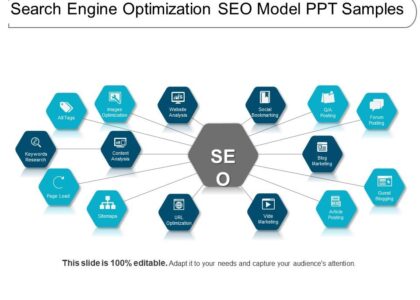
In today’s digital age, businesses are leveraging the power of digital marketing and data analysis to gain a competitive edge in the market. Digital marketing encompasses various online strategies such as social media marketing, email campaigns, search engine optimisation (SEO), and more to reach and engage with target audiences effectively.
However, simply implementing digital marketing strategies is not enough. Data analysis plays a crucial role in measuring the effectiveness of these strategies and providing valuable insights for informed decision-making. By analysing data collected from various digital channels, businesses can identify trends, customer behaviours, and preferences to refine their marketing efforts.
The Intersection of Digital Marketing and Data Analysis
When digital marketing and data analysis work hand in hand, businesses can create targeted campaigns that resonate with their audience on a personal level. By analysing data metrics such as website traffic, conversion rates, click-through rates, and customer demographics, marketers can tailor their messaging and content to drive engagement and conversions.
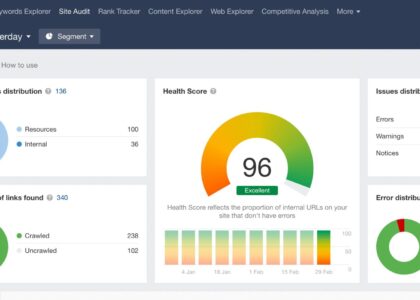
Data analysis also enables businesses to track the performance of their digital marketing campaigns in real-time. By monitoring key performance indicators (KPIs) and metrics, marketers can quickly identify what is working well and what needs improvement. This iterative approach allows for continuous optimisation of marketing strategies for better results.
The Benefits of Integrating Digital Marketing with Data Analysis
- Improved Targeting: Data analysis helps businesses understand their audience better, allowing for more precise targeting of potential customers.
- Enhanced Personalisation: By analysing customer data, businesses can create personalised experiences that resonate with individual preferences.
- Optimised Campaign Performance: Data-driven insights enable marketers to adjust campaign strategies in real-time for optimal performance.
- Better ROI: By leveraging data analysis to refine digital marketing efforts, businesses can achieve higher returns on investment (ROI) through more effective campaigns.
In conclusion, the synergy between digital marketing and data analysis is essential for modern businesses looking to succeed in the competitive online landscape. By harnessing the power of data-driven insights, businesses can create targeted campaigns that deliver measurable results and drive growth in today’s digital economy.
Essential FAQs on Digital Marketing and Data Analysis for Businesses
- What is digital marketing and how does it differ from traditional marketing?
- How can data analysis benefit digital marketing strategies?
- What are the key metrics to track in digital marketing campaigns?
- How can businesses use data analysis to improve their online presence?
- What role does social media play in digital marketing and data analysis?
- How can businesses ensure data privacy and security when collecting customer information for digital marketing purposes?
What is digital marketing and how does it differ from traditional marketing?
Digital marketing is a strategic approach that utilises various online channels and platforms to promote products or services, engage with target audiences, and drive conversions. Unlike traditional marketing methods such as print ads, TV commercials, and direct mail, digital marketing leverages the power of the internet to reach a wider audience in a more cost-effective and measurable way. Digital marketing allows for precise targeting based on demographic and behavioural data, enabling businesses to tailor their messaging for maximum impact. Additionally, digital marketing offers real-time analytics and insights that traditional marketing cannot provide, allowing marketers to adjust strategies on the fly for better results.
How can data analysis benefit digital marketing strategies?
Data analysis plays a pivotal role in enhancing digital marketing strategies by providing valuable insights that drive informed decision-making and improved campaign performance. By analysing data collected from various digital channels, businesses can gain a deeper understanding of customer behaviours, preferences, and trends. This data-driven approach allows marketers to create targeted campaigns that resonate with their audience on a personal level, leading to increased engagement and conversions. Moreover, data analysis enables marketers to track the effectiveness of their campaigns in real-time, identify areas for improvement, and optimise strategies for better results. Ultimately, integrating data analysis into digital marketing efforts can significantly enhance targeting accuracy, personalisation, campaign performance, and return on investment (ROI).
What are the key metrics to track in digital marketing campaigns?
When it comes to digital marketing campaigns, tracking key metrics is essential to measure performance and effectiveness. Some of the key metrics to monitor include website traffic, conversion rates, click-through rates, bounce rates, cost per acquisition (CPA), return on investment (ROI), customer lifetime value (CLV), and engagement metrics such as likes, shares, and comments. These metrics provide valuable insights into the success of a campaign, helping businesses understand what is working well and where improvements can be made to optimise their digital marketing strategies for better results.
How can businesses use data analysis to improve their online presence?
Businesses can utilise data analysis to enhance their online presence by gaining valuable insights into customer behaviour, preferences, and trends. By analysing data collected from various digital channels such as website traffic, social media engagement, and email campaigns, businesses can identify patterns that inform strategic decisions. Understanding which online marketing strategies are most effective allows businesses to tailor their content and messaging to better engage with their target audience. Through data analysis, businesses can optimise their online presence by refining their digital marketing efforts, improving customer targeting, and ultimately driving higher engagement and conversions.
What role does social media play in digital marketing and data analysis?
Social media plays a pivotal role in digital marketing and data analysis by providing businesses with a direct channel to engage with their target audience, build brand awareness, and drive conversions. From a digital marketing perspective, social media platforms offer a vast landscape for businesses to create and distribute content, run targeted advertising campaigns, and interact with customers in real-time. Data analysis of social media metrics such as engagement rates, click-through rates, and audience demographics allows businesses to gain valuable insights into the effectiveness of their social media efforts. By analysing this data, businesses can refine their social media strategies, identify trends, and tailor content to better resonate with their audience, ultimately enhancing their overall digital marketing performance.
How can businesses ensure data privacy and security when collecting customer information for digital marketing purposes?
Ensuring data privacy and security is paramount for businesses when collecting customer information for digital marketing purposes. Implementing robust data protection measures, such as encryption protocols, secure data storage systems, and access controls, can help safeguard sensitive customer data from unauthorized access or breaches. Additionally, obtaining explicit consent from customers before collecting their information and being transparent about how the data will be used are crucial steps in building trust and maintaining compliance with data protection regulations. Regular audits, employee training on data security best practices, and staying informed about evolving privacy laws also play a vital role in ensuring that customer information is handled responsibly and ethically in the digital marketing landscape.